


The Vertically Integrated Projects (VIPR) program follows a national model and aims to offer a research structure that supports collaborative, interdisciplinary research teams that include undergraduate researchers, their faculty mentors, and other scientists such as graduate students, postdoctoral associates, and faculty collaborators.
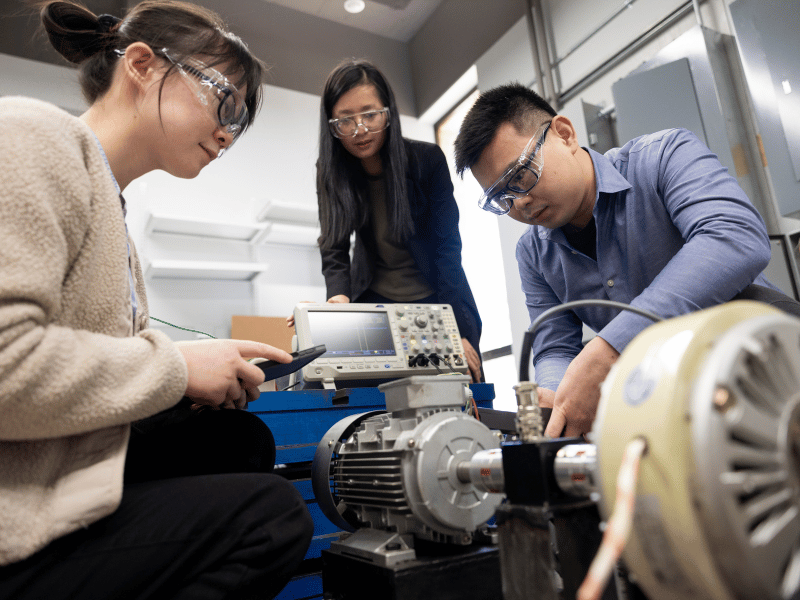
Agricultural Robotics VIPR Team
The primary goal of this VIPR team is to empower students by equipping them with practical skills and cutting-edge theoretical knowledge in the field of agricultural robotics. Through hands-on research, students will delve into concepts, algorithms, and technologies, which they will then apply to real-world agricultural problems. The concepts and technologies initiated by the students […]
AI4STEM Education Team
The AI4STEM Education VIPR team will empower students to explore, develop, and evaluate AI-powered tools and methods that enhance STEM teaching and learning. Through interdisciplinary collaboration, undergraduate and graduate students will contribute to cutting-edge educational research, develop practical AI-based learning tools, and engage in responsible innovation to promote equity, personalization, and scientific thinking in STEM […]
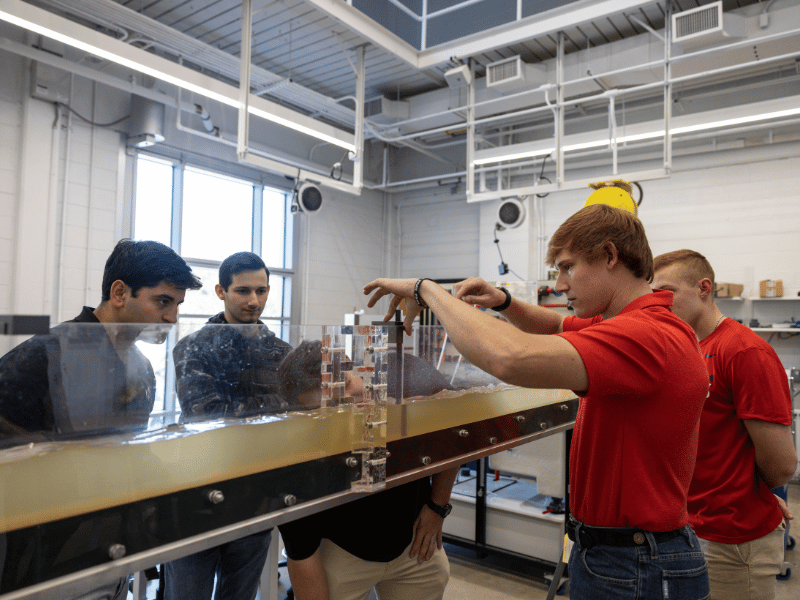
Agrivoltaics: Land-Centered Solutions for a Sustainable Energy Transition
Rapid climate change associated with the burning of fossil fuels has stimulated a global transition towards renewable energy sources. However, the lower “energy density” of clean energy sources such as photovoltaics (solar power) means that large areas of land are needed to reduce our reliance on fossil fuels. Agrivoltaics provides a potential win-win for landowners […]
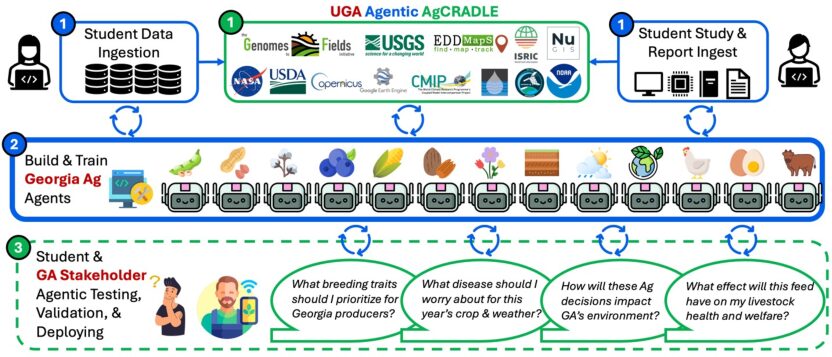
AI Agents for a Sustainable Food Supply
Interactive AI agents will be used to revolutionize how we develop, deploy and manage our food supply, and prepare students for a workforce prioritizing agentic AI literacy. UGA excels in developing new crop varieties and providing agronomic advice. AI agents can be used to aid key breeding decisions as well as provide advice on crop […]

Applied History Lab
This multidisciplinary team will work collaboratively to produce a multimedia web project for UGA’s new Applied History program. The team will produce original content and solicit content from relevant Applied History courses to create articles, blogs, newsletters, podcasts, and videos that demonstrate the value of “thinking in time” and show how the analysis of historical […]
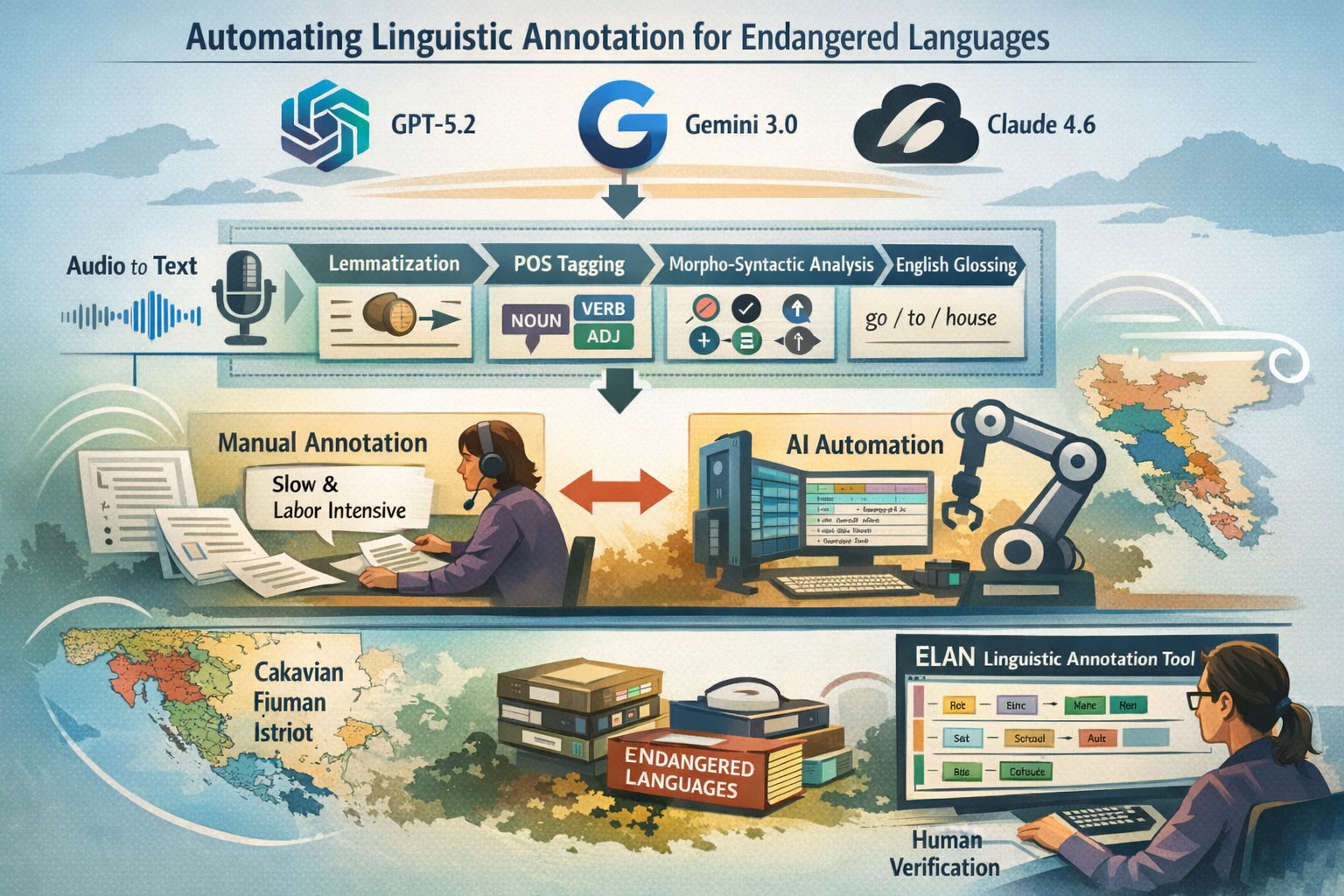
Automated Morphosyntactic Analysis for Low-Resource Languages
The major goal is to ease out the manual annotation process by having large language models (LLMs) annotate the morphosyntactic analysis pipeline. We are aiming to do Lemmatization, part of speech tagging, morphosyntactic feature specification and English glossing of individual lemmas. The core idea is with zero shot learning, LLMs can bypass the need for […]
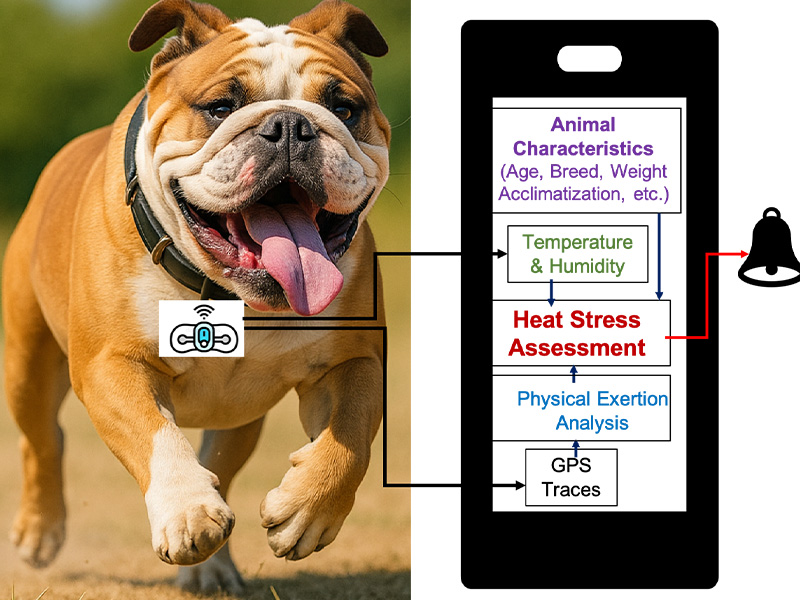
CoolDawgs: Wearable Sensors-enabled Heat Stress Tracker and Alert System for Pets
Extreme heat is a leading cause of weather-related illness and death among pets and domestic animals. This project aims to design, develop, and evaluate wearable multi-sensor devices, along with companion mobile apps, to continuously monitor animals’ heat stress and notify owners when the risk becomes dangerously high. The system will be tailored to each individual […]
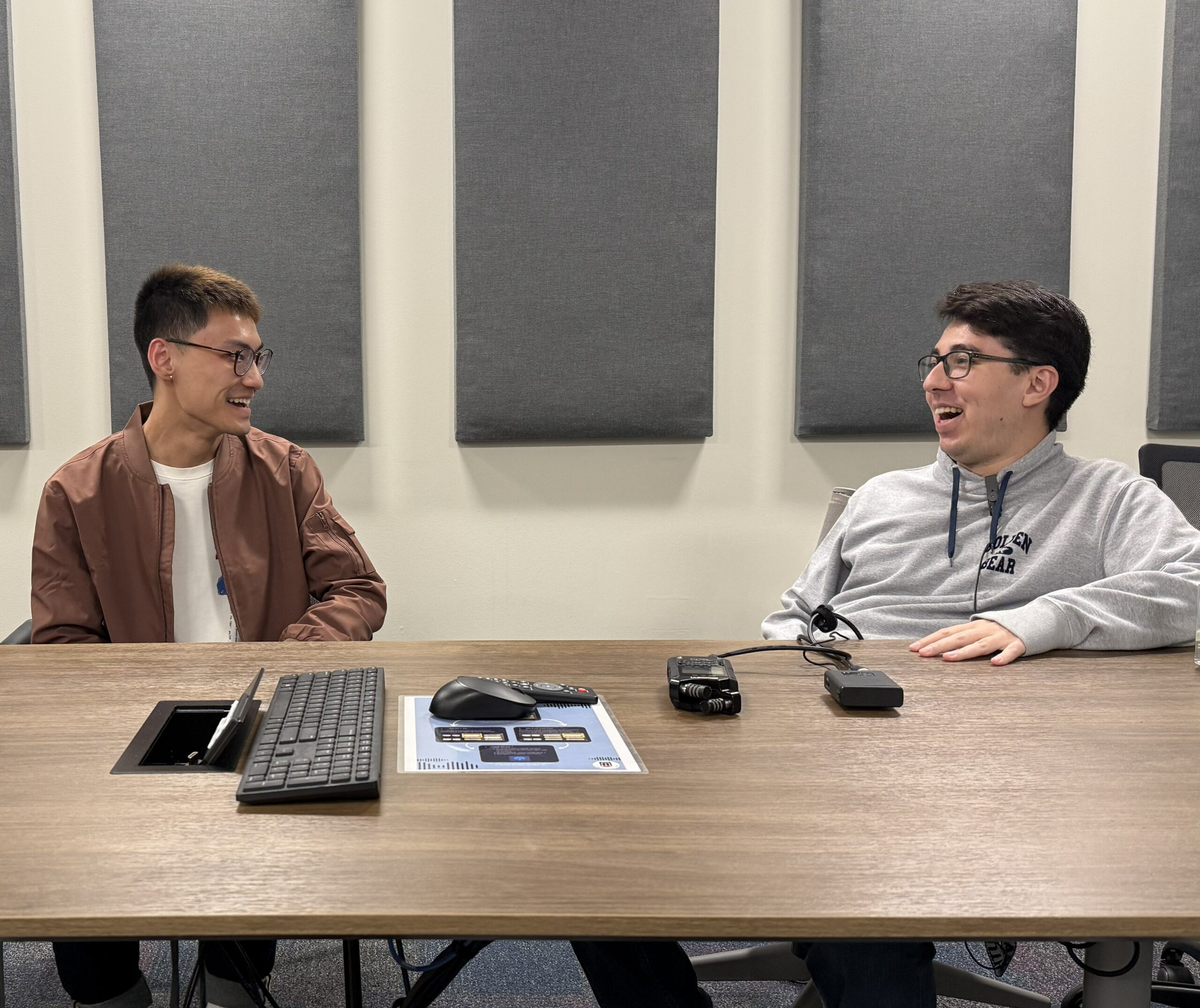
Corpora for Low-Resource Language Varieties
This research team’s goal is the expansion of resources for linguistic corpora, especially for under-resourced languages and varieties. This includes the collection of primary spoken or textual linguistic data from varieties that are less represented, the creation of accessible resources and tools for using these corpora, and the linguistic analysis of these varieties to better […]
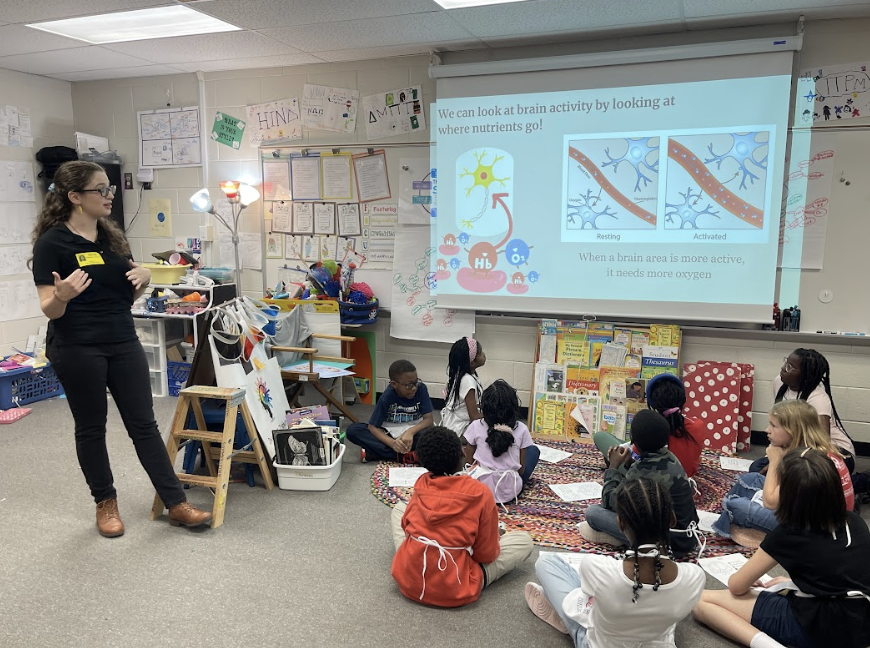
Cultivating Community Roots: Engaging in Participatory Research with Rural Georgia Middle Schoolers
As developmental scientists, our goal is to build a multidisciplinary team anchored in family and community engagement, focused on sustained partnerships in rural Georgia through engagement with middle schoolers. Through authentic relationship building rather than episodic recruitment, we will develop a long-term participant pool and incorporate community needs and priorities into future research planning, based […]
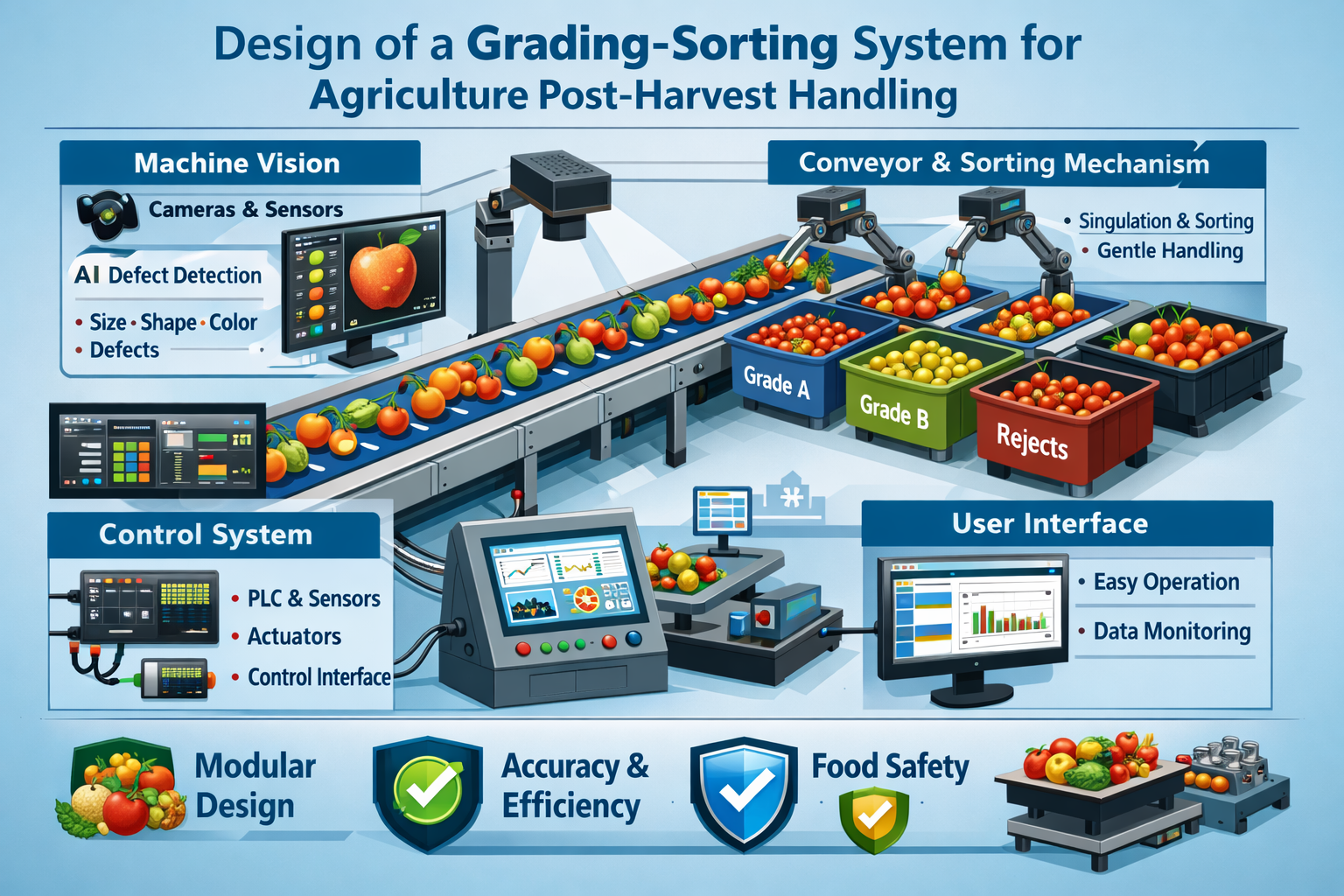
Design of a Grading-Sorting System for Agriculture Post-Harvest Handling
Design and prototype an automated grading and sorting system for post-harvest agricultural products that improves efficiency, accuracy, and product quality. The system will integrate machine vision, sensing, and mechanical handling to classify produce by size, shape, color, and defects. Emphasis will be placed on gentle handling to minimize damage, modular design for different crops, and […]
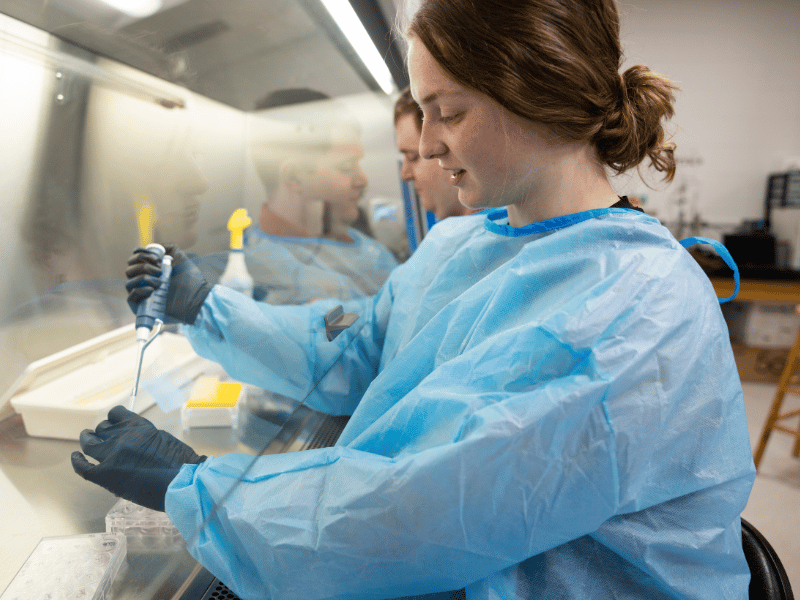
Developing Techniques & Devices for AI Enabled Earth-Observing Small Satellites VIPR Team
With the proliferation of satellites in space, low Earth orbit traffic becomes “jammed”, making it necessary to be more efficient in space-based data collection and downlink. From the perspective of Earth observers, the way to accomplish this efficiency goal is twofold: 1) Use small satellites (CubeSats), which have shorter mission lifetimes and more easily satisfy […]
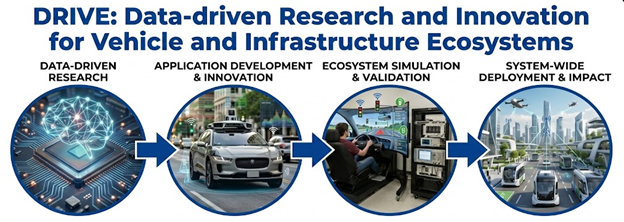
DRIVE: Data-driven Research and Innovation for Vehicle and Infrastructure Ecosystems
This team will establish an interdisciplinary research hub advancing connected and automated mobility systems through student-driven, experiential research. Students engage across the system-of-systems lifecycle, from real-world data collection and AI-enabled analytics, to application development in control, planning, and decision-making, and to multi-resolution simulation and real-world testing. Individual projects address technical, social, or policy dimensions, while […]
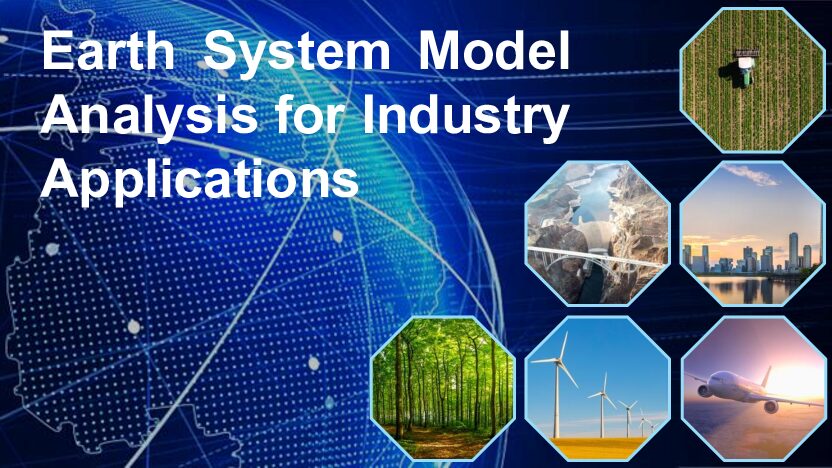
Earth System Model Analysis for Industry Applications
Weather and climate events can have major impacts on society, via both extremes and persistent conditions. These events can impact society directly, such as damaging infrastructure and transportation systems, disrupting agricultural and industrial operations, and loss of lives, as well as indirectly by disturbing natural ecosystems. This project team will develop reliable climate data analysis […]
Engineering Resilient Plants VIPR Team
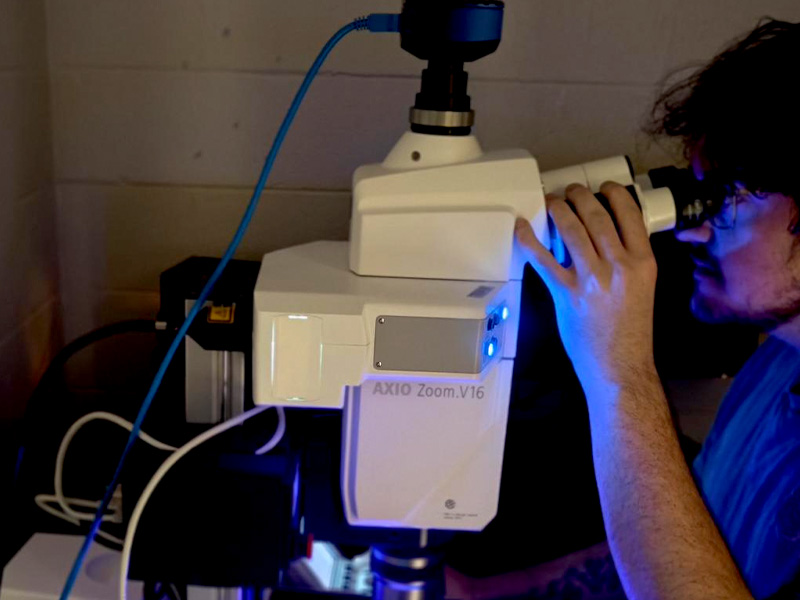
This team will offer students an experiential learning opportunity in plant genome editing to create resilient plants. Through active participation in research, students will engage in the full pipeline—from experimental design to data collection, and statistical analysis. The team will employ hands-on lab projects with cutting-edge theory, helping students build critical skills in plant biology, […]

GlycoCURE Discovery
GlycoCURE Discovery is an interdisciplinary VIPR team focused on harnessing drug discovery and glycobiology to develop new disease models and therapeutic approaches for treating rare disease, with particular focus on congenital disorders of glycosylation (CDGs). Approximately 30 million individuals in the United States are living with a rare disease, which by definition have a prevalence of […]

Humanities in Public Life: A Multilingual Inquiry
This team will investigate how the humanities shape public life by analyzing cultural narratives, speech, and multilingual discourse in the U.S. Drawing on mixed methods from linguistics, literature, theater, and language studies, we aim to produce research-based insights into how humanistic practices contribute to civic dialogue, identity formation, and social cohesion. Our goal is to […]

Hydropolis: Urban Infrastructure and Hydrology Research
Hydropolis creates sustainable, resilient, and biodiverse communities by analyzing ecosystems and designing interventions like green spaces, waterway rehabilitations, and infrastructural innovations across urban and rural contexts. Our hybrid approach combines engineering, design, and communication science to reimagine infrastructure and how it is understood. We investigate an array of exciting topics that include water quality management […]
Innovation Factory
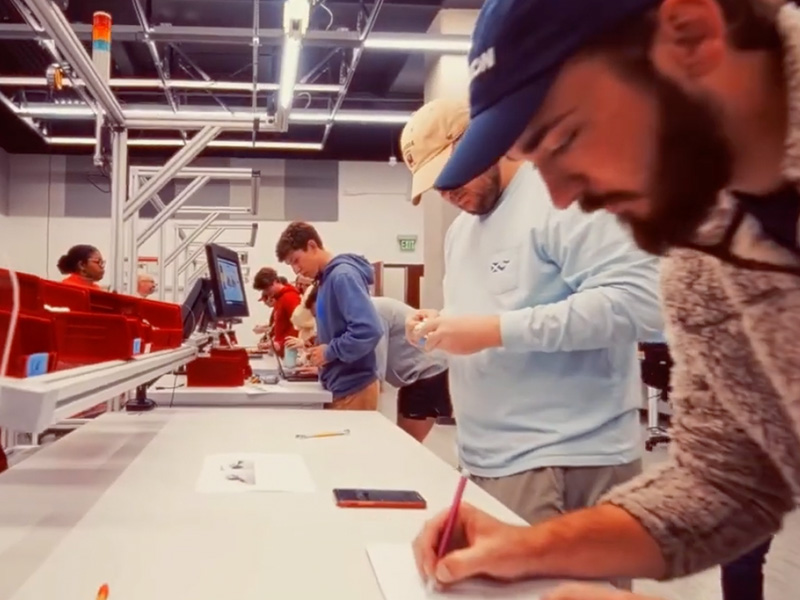
This VIPR team will provide students with hands-on opportunities to explore how emerging technologies—sensors, automation, and AI—can address real-world challenges in traditional manufacturing. Students will define case studies, assess technical and operational needs, and develop innovative solutions. Each project culminates in functional demonstrations that translate engineering theory into practical applications for advanced manufacturing. This team […]
Luminous Room Documentary Film Production Group
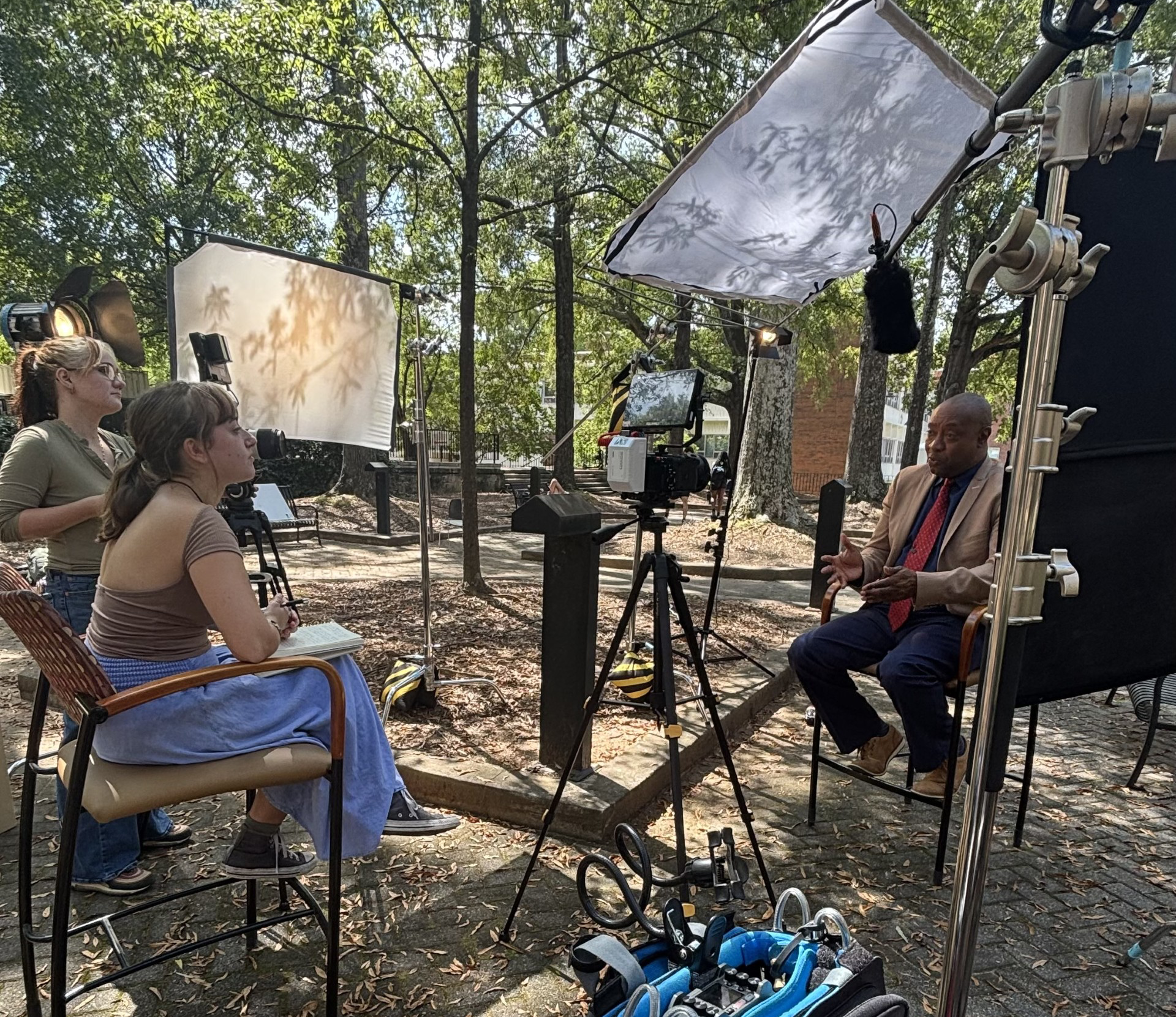
The team will produce one short documentary film during a year-long cycle. This includes interviewing, collecting b-roll and archival footage, scripting storylines, forging graphics, editing, and exhibiting the final product. Topics generally follow themes of conservation/science or arts/culture. The 2026-27 project will likely be a historic exploration of the music that drove the Civil Rights […]
Metabolomics & Systems Biology VIPR Team
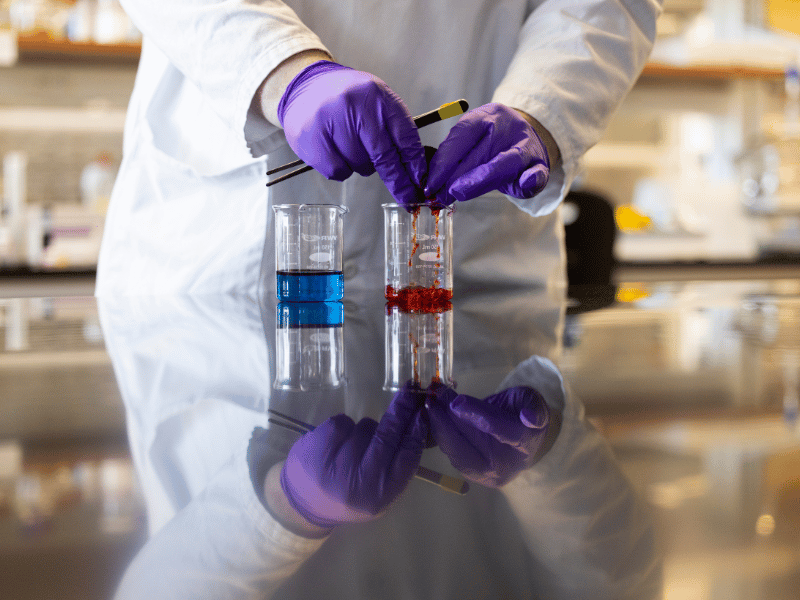
Systems Biology is big data in biology. It often refers to large “omics” datasets that are modeled and analyzed for biological insight. Increasingly, machine learning and AI are important tools in this analysis. The Edison lab specializes in metabolomics, which is one of the major components of systems biology. These technologies are important in many […]
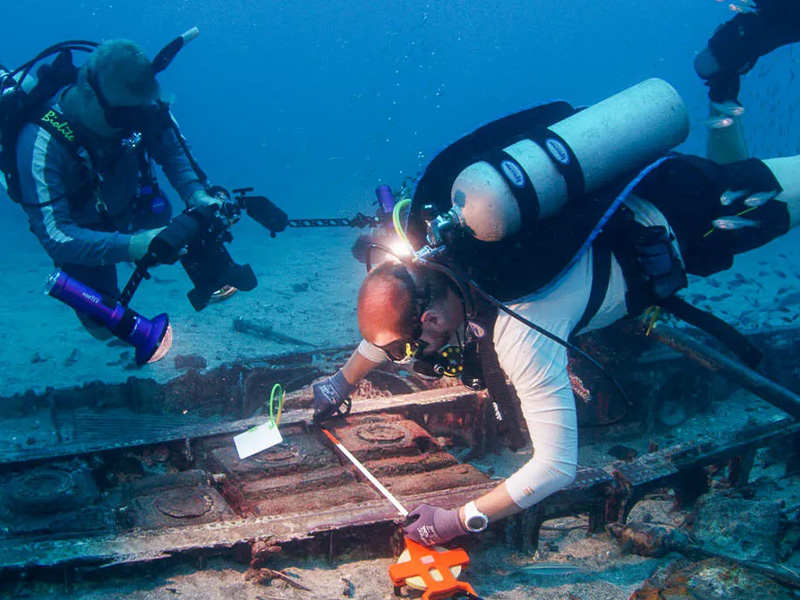
MIA Search and Recovery Technologies: Lost and Found
This VIPR team will enlist undergrads and grad students in the ongoing search and recovery efforts of Missing in Action military service members. There are currently over 80,000 MIA U.S. military service members whose remains have not been recovered. Over the past three years, the University of Georgia has partnered with external stakeholders involved in […]
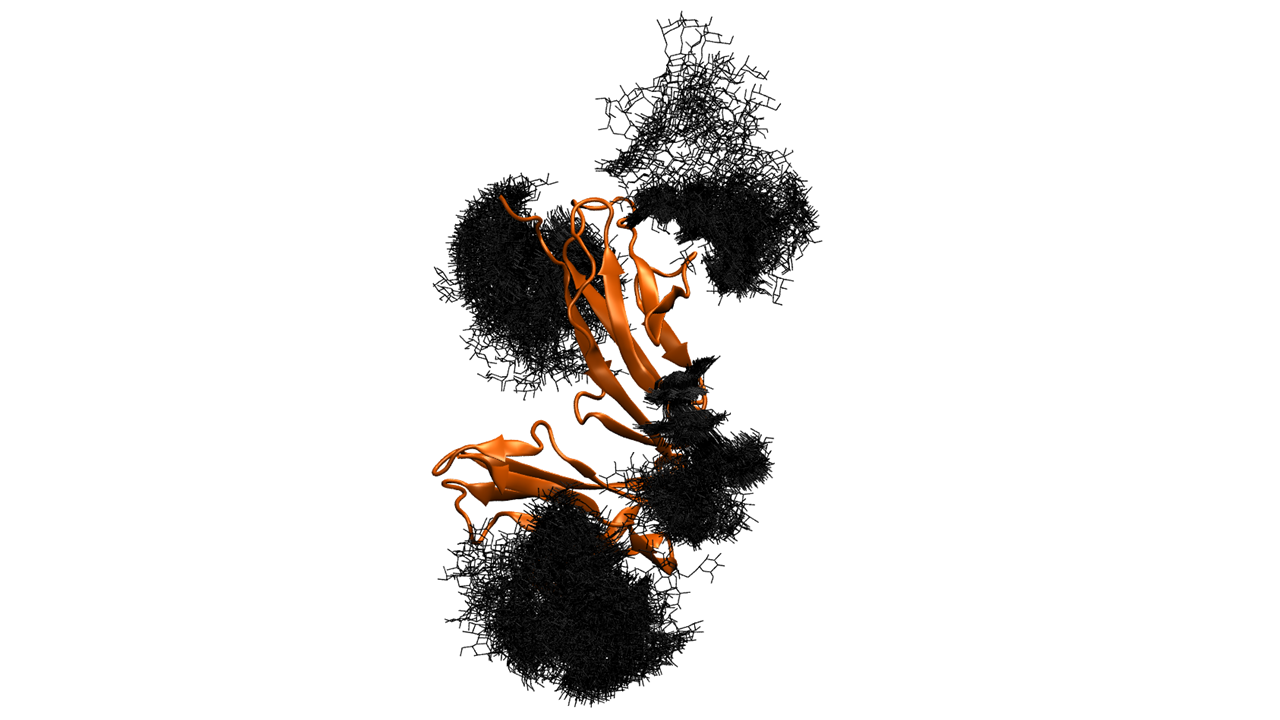
Modeling Protein Structure and Function to Better Understand Disease
This research experience is designed such that you will: identify a N-glycoprotein of interest and define the role of this protein in human health, evaluate the impact of the N-glycan on protein structure, learn to utilize linux-based programs, code molecular dynamics simulations of your chosen proteins, and analyze the structural features and motion of your […]
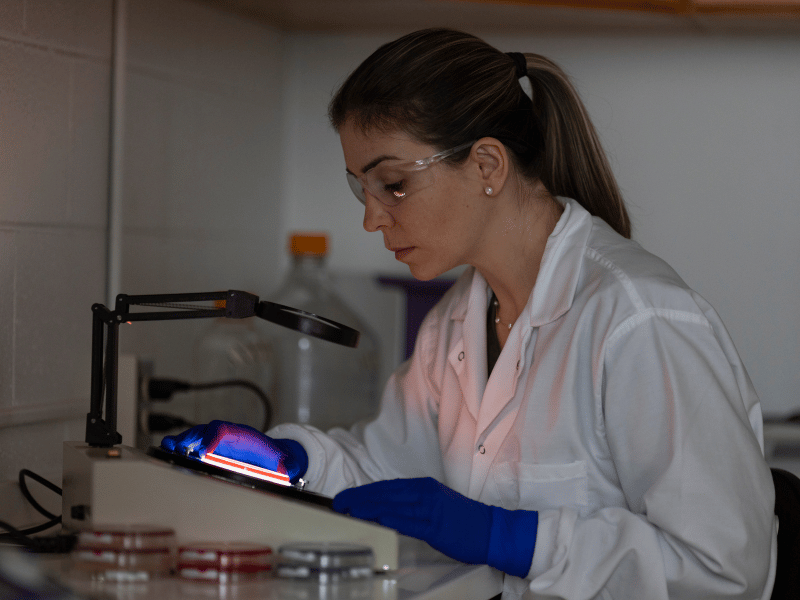
Perception & Preparedness: Healthcare Seeking Behaviors Before, During & After a Pandemic
This project aims to immerse undergraduate and graduate students in an in-depth analysis of healthcare decision-making behaviors as captured through a series of public opinion polls conducted by the Center for Health Risk Communication and Center for the Ecology of Infectious Diseases. Focusing on critical issues like vaccine acceptance, this endeavor seeks to unravel the […]
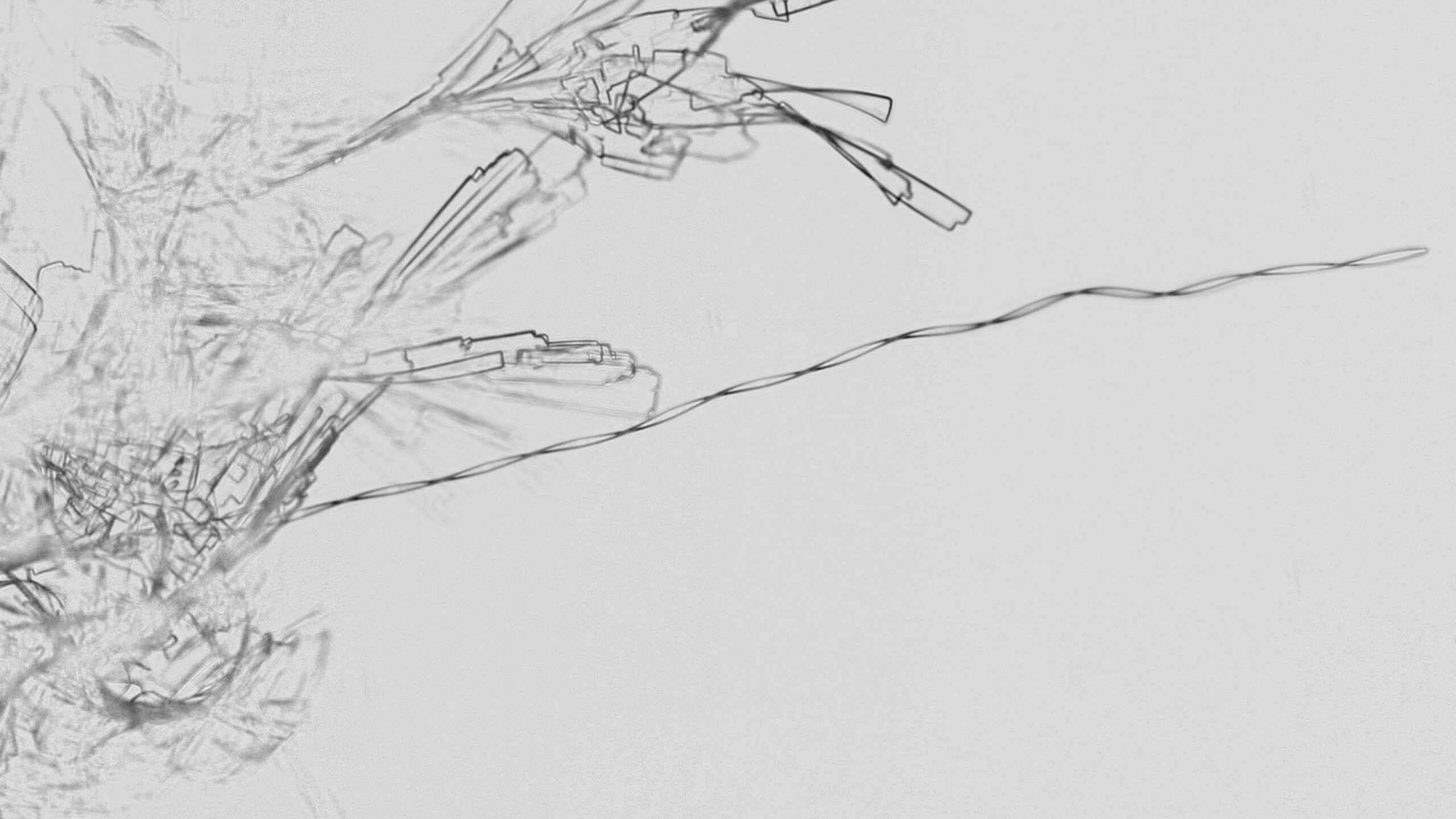
Photonic Materials from Nanocrystals to Bulk
Crystals are more than beautiful geometric forms—they are the backbone of modern photonics, quantum technologies, and other advanced applications. The goals of this VIPR are to investigate and engineer the structure–property relationships that govern crystal performance across length scales. Students work in a collaborative research team to design, synthesize, and characterize crystals and integrate spectroscopy, […]
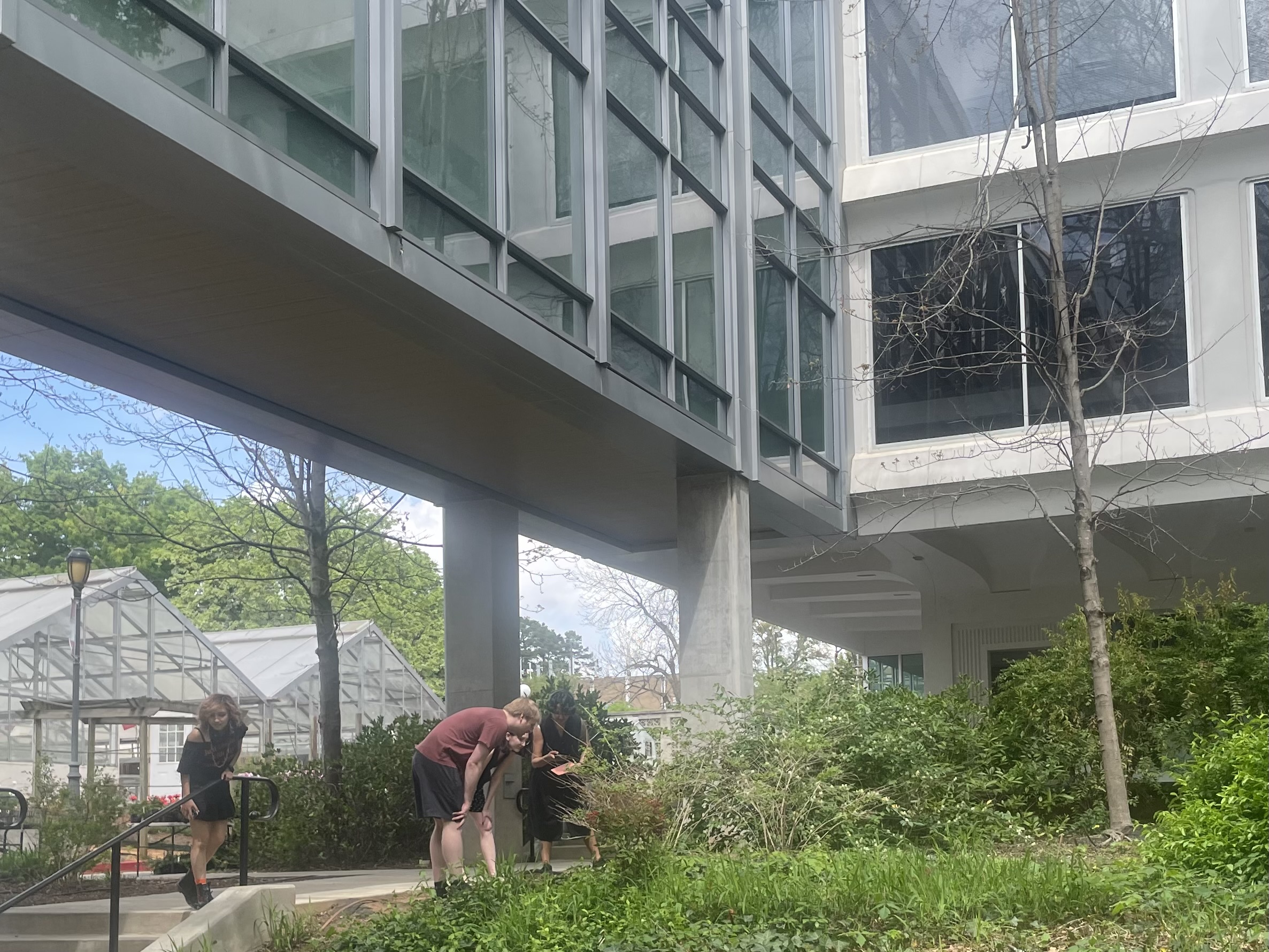
Project MACAW: Managing Avian Collisions At Windows
This team will identify hotspots and timing of lethal bird collisions with windows on the UGA campus. Students will: uncover the ecological and design drivers of collisions; assess knowledge and educate UGA students, staff, and faculty about the issue; develop monitoring protocols; and propose innovative solutions to prevent collisions by engaging with multiple stakeholders at […]
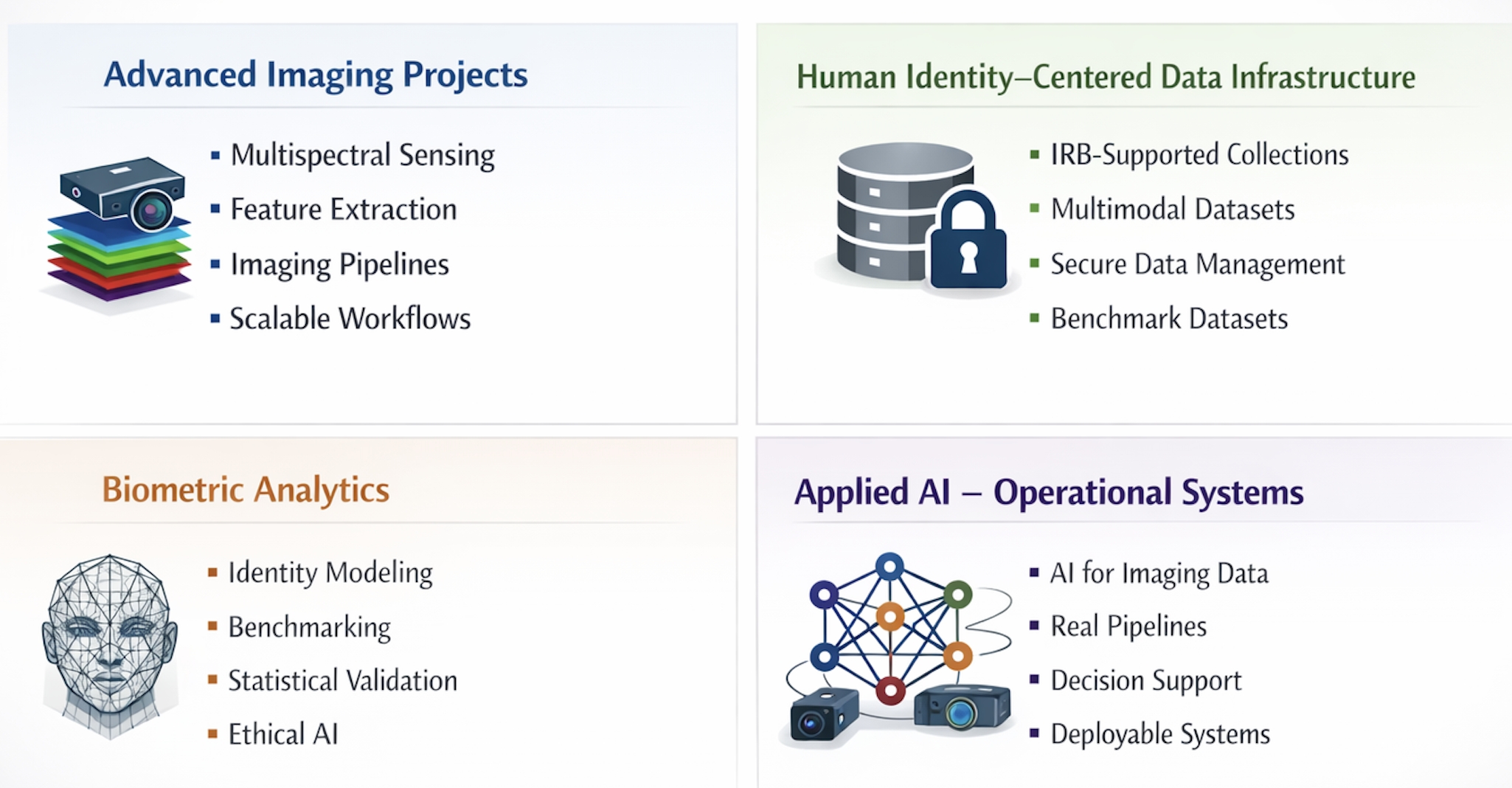
Resilient Biometrics and Cybersecurity Systems VIPR Team
The Resilient Biometrics and Cybersecurity Systems (RBCS) VIPR Team will design and develop robust, explainable, and human-centered AI systems for identity management, digital forensics, physical access control, and multispectral target recognition in constrained and unconstrained environments. Students will be trained to conduct interdisciplinary research integrating biometrics, cybersecurity, and advanced imaging to develop resilient identity technologies […]

Safe and Smart Transportation
This project will develop MEMS sensor networks to monitor transportation networks for the safety of both transportation infrastructure and traffic. Issues involved: 1) How to develop low-cost but reliable sensor networks to monitor the safety of both transportation infrastructures and traffic?, 2) How to deploy the sensors in the field with minimum perturbations to existing […]
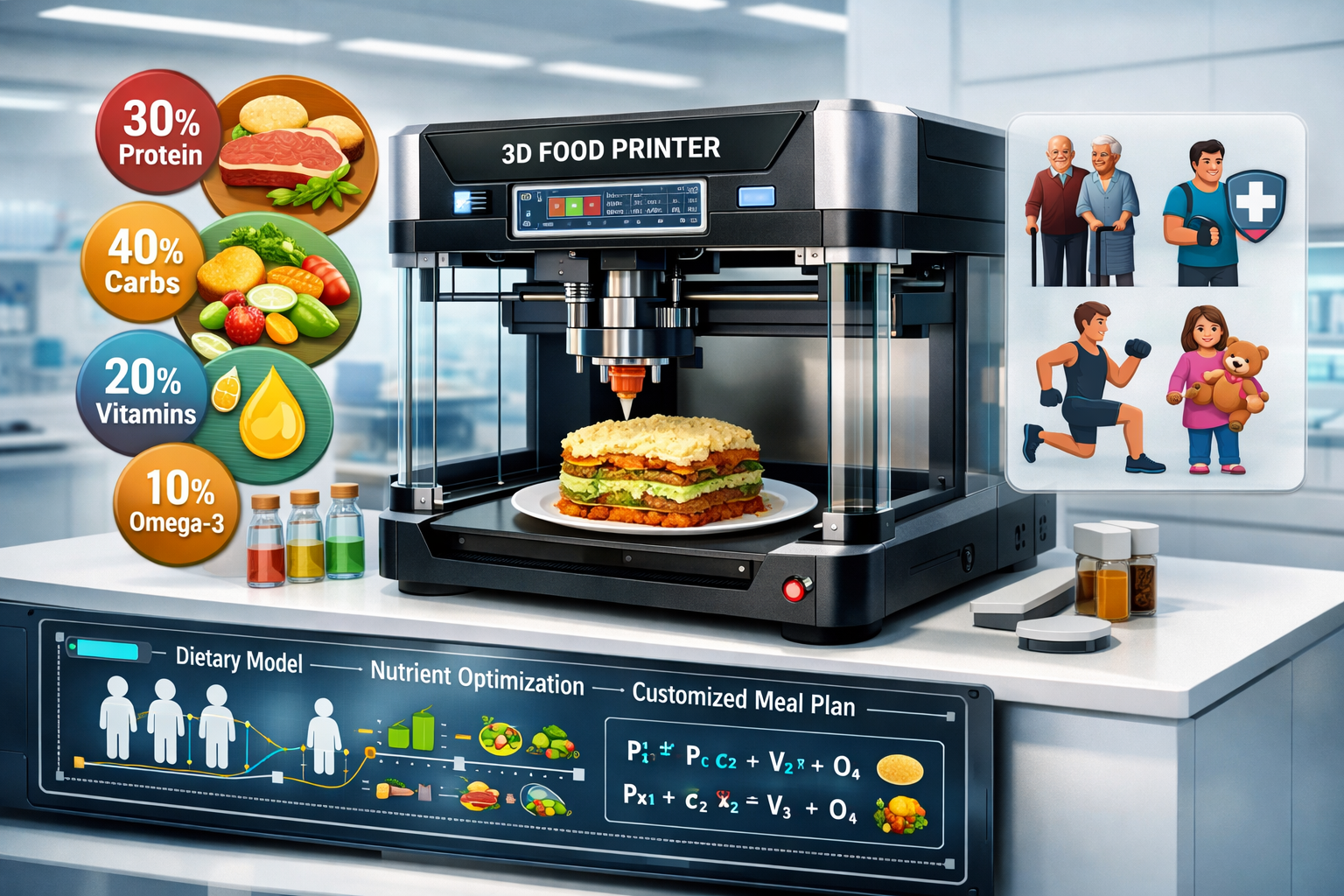
Smart 3D Food Manufacturing Enabled by Nutrient Optimization Algorithms
The goal of this project is to develop a 3D food printing system capable of producing customized food products tailored to the specific dietary needs of different population groups. By integrating nutritional science with precise formulation and printing technologies, the project aims to deliver personalized foods with controlled nutrient composition, and portion size to support […]
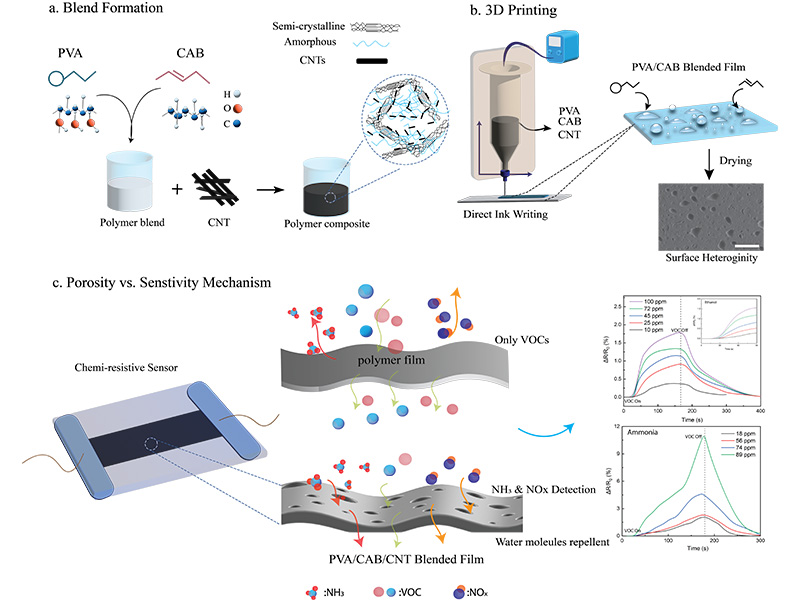
Smart Agriculture Sensors
Agriculture productivity and livestock health are significantly influenced by factors such as ammonia levels, methane emissions, temperature, humidity, and soil moisture. Traditional sensing solutions often lack precision, durability, or affordability for widespread deployment, particularly in rural and underserved areas. This VIPR team will address these challenges by developing smart, affordable, and customizable sensors. The sensors […]
SPREE: Social Psychology of Research Experiences and Education Team
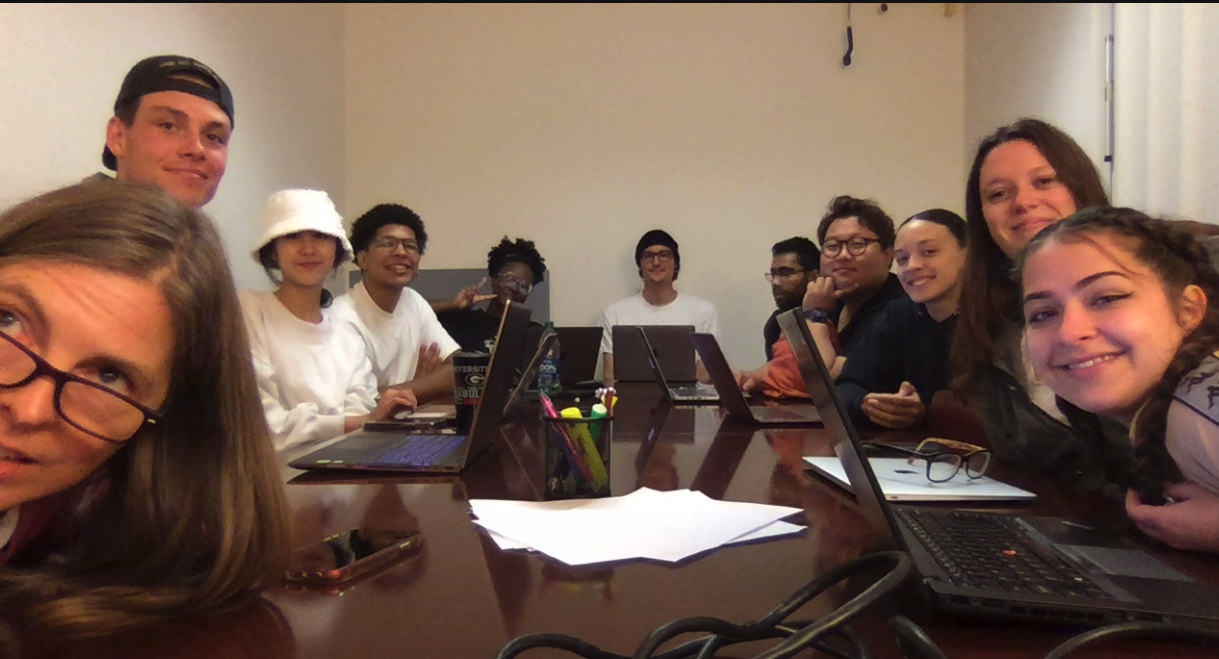
The SPREE team studies undergraduate research experiences, including the impacts of embedding research into courses and expanding the pool of research undergraduate research mentors to include graduate students and postdoctoral researchers. This team designs and conducts qualitative and quantitative studies to understand how different forms of research experiences influence students’ educational and career trajectories—for example, […]
STEMCORE
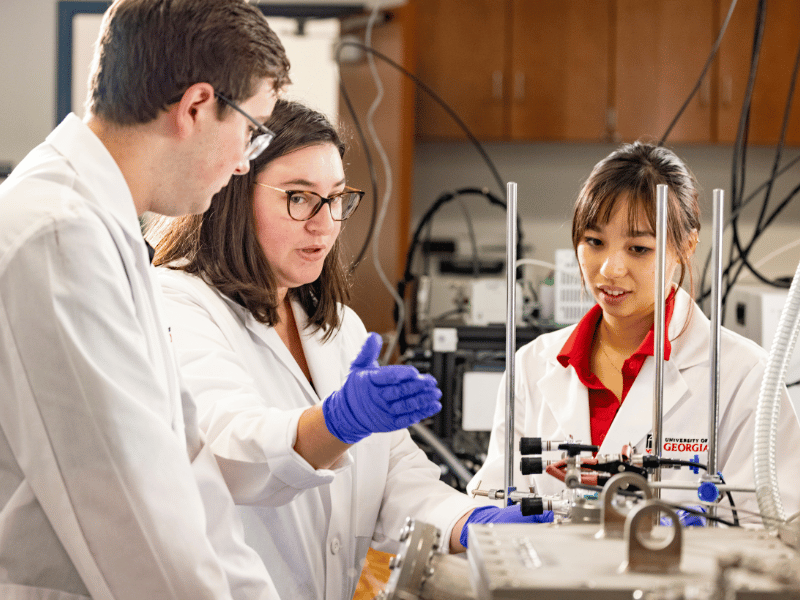
At the frontier of stem cell biology, our team uses human pluripotent stem cells to model the peripheral nervous system and the adrenal gland. We aim to uncover the disease mechanisms underlying diseases that affect those tissues in human patients. From conditions like Familial Dysautonomia to diabetic peripheral neuropathy to adrenal gland insufficiency, our lab’s […]
STREAM DAWGS (Stream Research, Environmental Assessment, and Monitoring Data-driven Watershed Group Science)
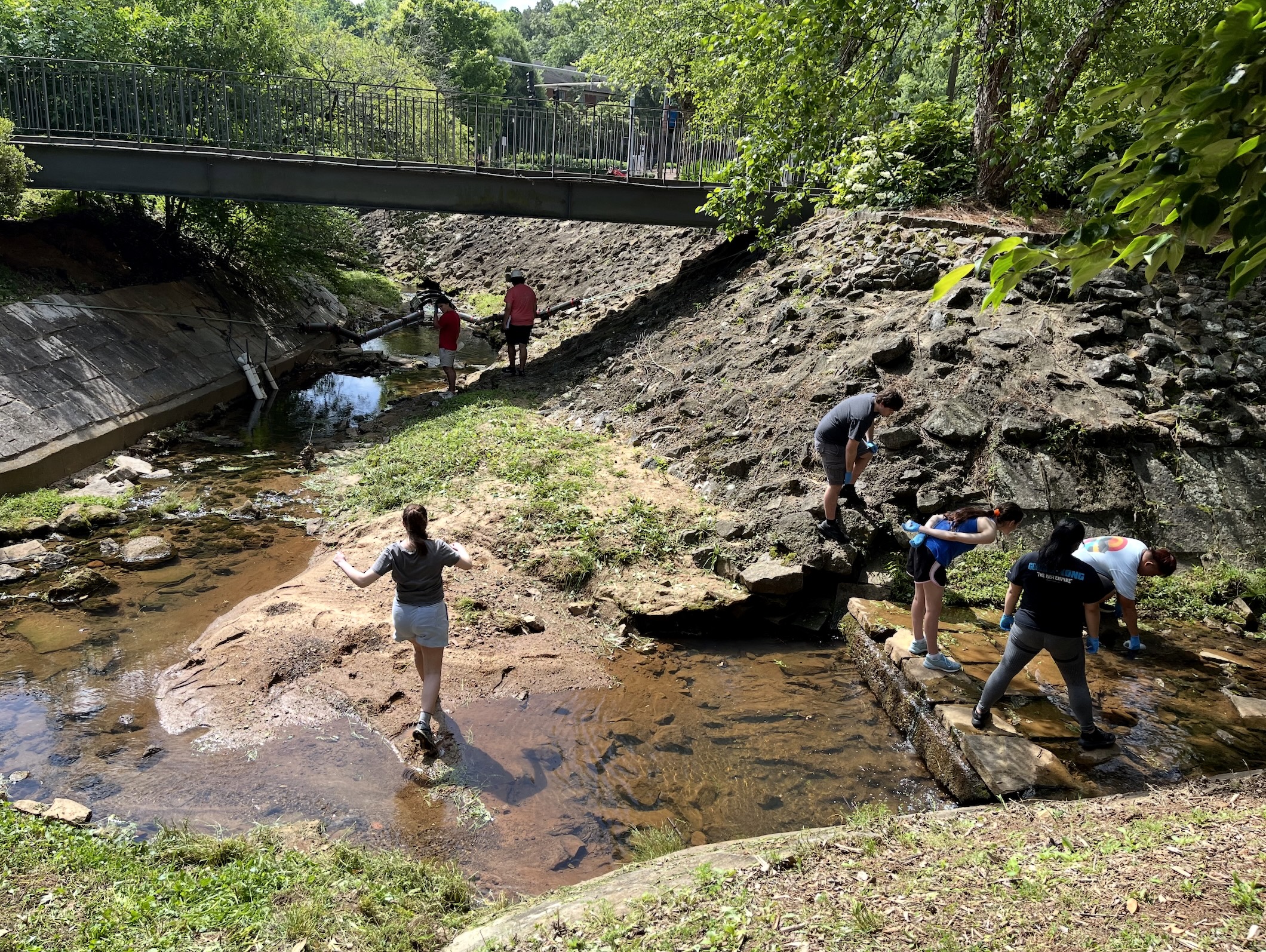
The UGA Athens campus provides many unique opportunities for learning. Our VIPR team will employ the notion of campus as a living lab to explore current issues in urban water resources and to develop a mechanistic understanding of streams traversed by decades of UGA students. The field of water resources science is intrinsically interdisciplinary and spans undergraduate […]
VectorCraft
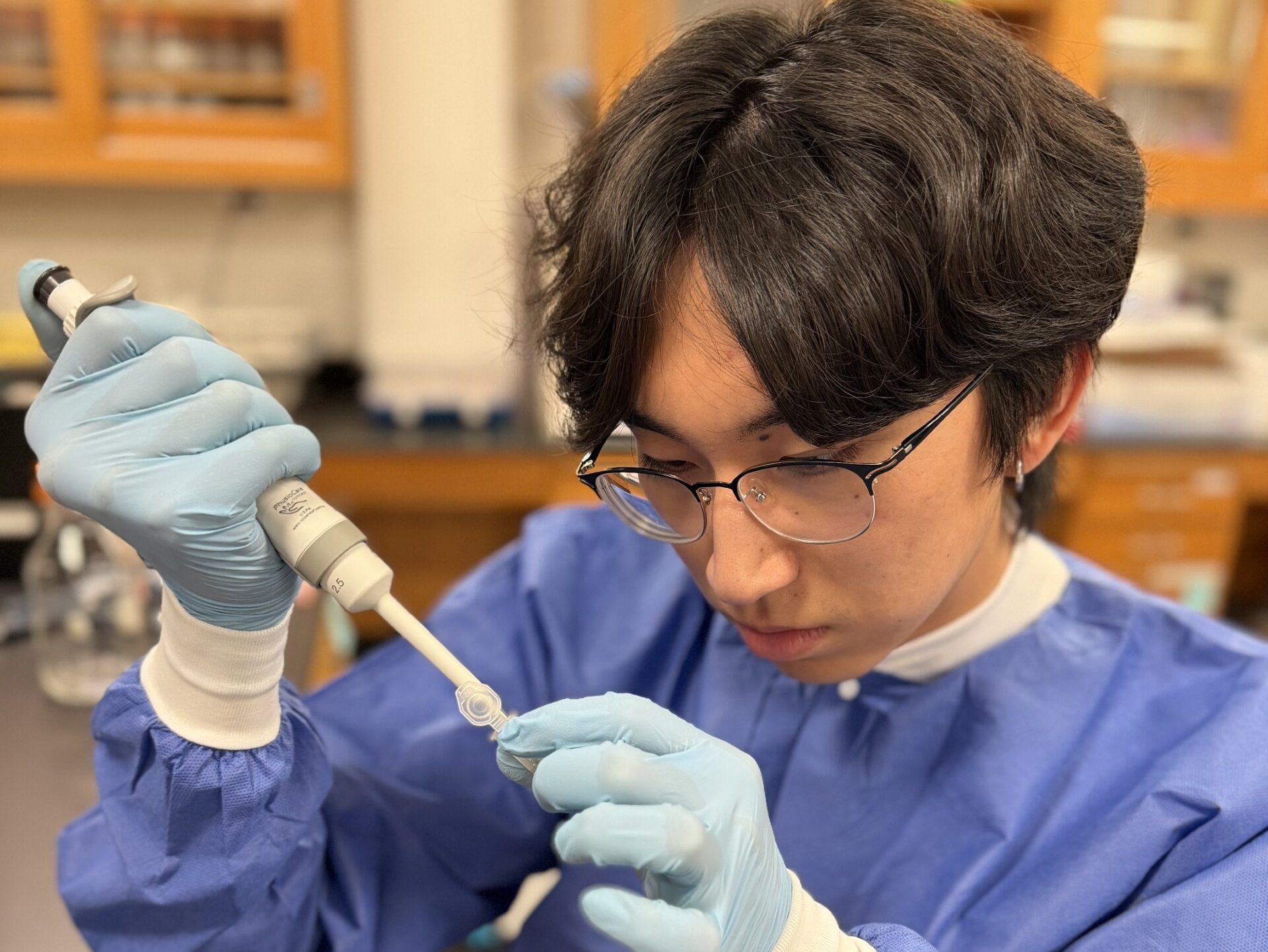
Our team engineers next-generation viral vectors by repurposing high-impact plant pathogens—such as Citrus Tristeza Virus (CTV), which shares replication strategies with SARS-CoV-2—into modular tools for crop protection. The students will focus on ‘Genome Refactoring’ to streamline complex architectures into stable ‘cargo-ready’ expression platforms. By leveraging their natural movement, we enable ‘Targeted Delivery’ of therapeutic molecules, […]
VIPR: Omics and Machine Learning in Precision Agriculture
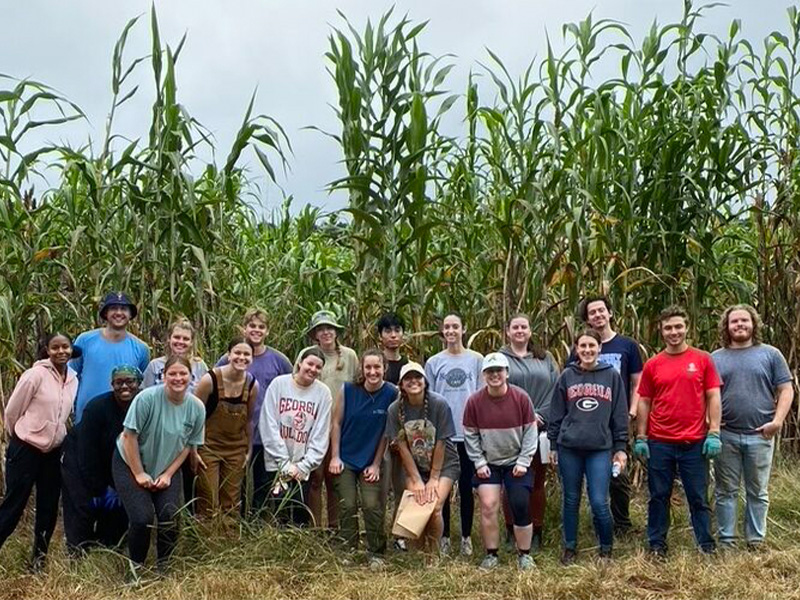
This VIPR team will introduce 10 undergraduates to an ancient symbiosis between Arbuscular Mycorrhizal Fungi (AMF) and most vascular land plants in the world. The AMF live in root cells to provide Nitrogen and Phosphorous to the plant in return for plant carbon. Students will use a Genome Wide Association Study (GWAS) to capture AMF […]
WeatherRisk
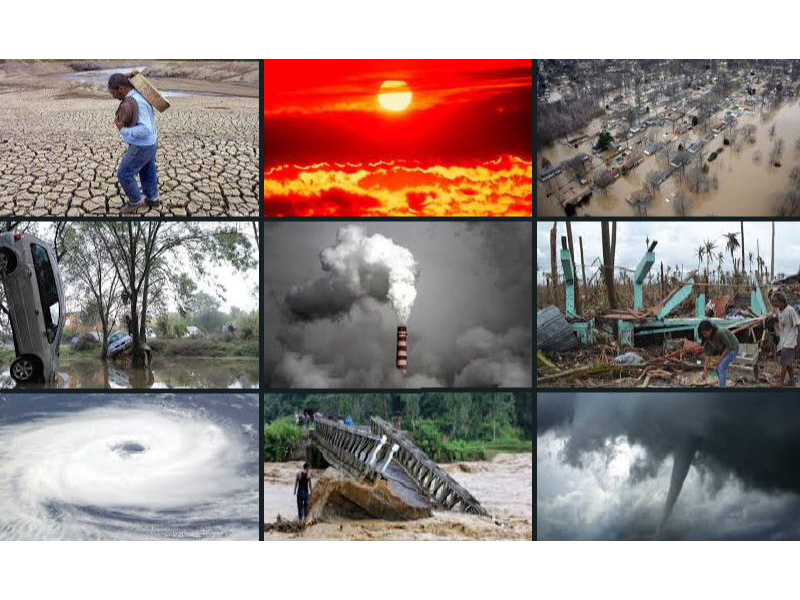
This VIPR team is an interdisciplinary group that examines the risks posed by severe and extreme weather to communities and vital systems. These risks include, but are not limited to, high winds, extreme heat, flooding, drought, and wildfires. The team investigates the interconnected effects of these events – particularly compound and cascading hazardous weather – […]

YieldCast: Coupling Extended-Range Weather Prediction with Crop Models for Better Agricultural Management in Georgia
This team aims to develop a decision-support framework that integrates weather and seasonal-to-subseasonal (S2S) forecasts with crop yield and nutrient loss models to improve agricultural management in Georgia, and hopefully beyond. The team will explore how forecasts can be used to optimize fertilizer management prone to losses from rainfall events and where the forecast information […]