


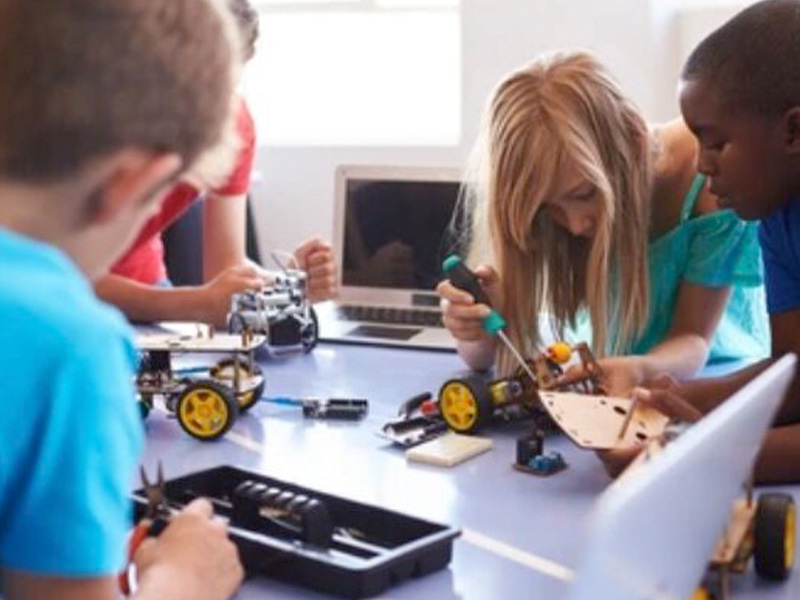
The AI4STEM Education VIPR team will empower students to explore, develop, and evaluate AI-powered tools and methods that enhance STEM teaching and learning. Through interdisciplinary collaboration, undergraduate and graduate students will contribute to cutting-edge educational research, develop practical AI-based learning tools, and engage in responsible innovation to promote equity, personalization, and scientific thinking in STEM […]
August 19, 2026
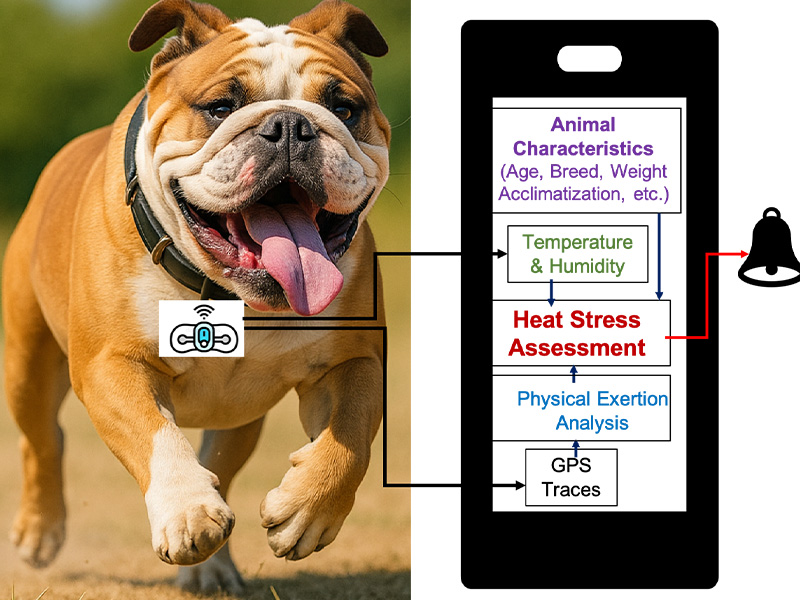
CoolDawgs: Wearable Sensors-enabled Heat Stress Tracker and Alert System for Pets
Extreme heat is a leading cause of weather-related illness and death among pets and domestic animals. This project aims to design, develop, and evaluate wearable multi-sensor devices, along with companion mobile apps, to continuously monitor animals’ heat stress and notify owners when the risk becomes dangerously high. The system will be tailored to each individual […]

August 19, 2026
This multidisciplinary team will work collaboratively to produce a multimedia web project for UGA’s new Applied History program. The team will produce original content and solicit content from relevant Applied History courses to create articles, blogs, newsletters, podcasts, and videos that demonstrate the value of “thinking in time” and show how the analysis of historical […]
August 14, 2026
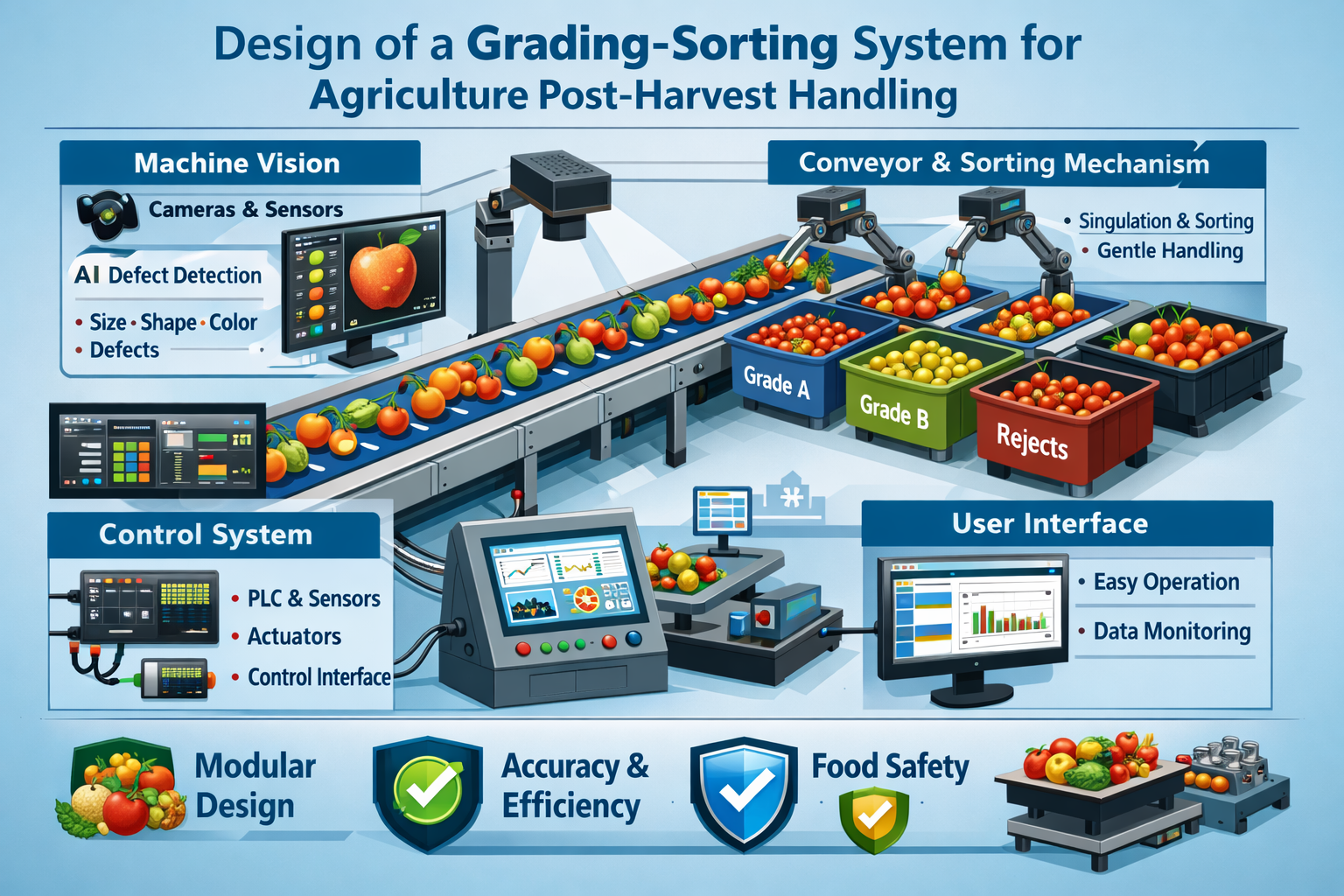
Design of a Grading-Sorting System for Agriculture Post-Harvest Handling
Design and prototype an automated grading and sorting system for post-harvest agricultural products that improves efficiency, accuracy, and product quality. The system will integrate machine vision, sensing, and mechanical handling to classify produce by size, shape, color, and defects. Emphasis will be placed on gentle handling to minimize damage, modular design for different crops, and […]
August 14, 2026
Developing Techniques & Devices for AI Enabled Earth-Observing Small Satellites
With the proliferation of satellites in space, low Earth orbit traffic becomes “jammed”, making it necessary to be more efficient in space-based data collection and downlink. From the perspective of Earth observers, the way to accomplish this efficiency goal is twofold: 1) Use small satellites (CubeSats), which have shorter mission lifetimes and more easily satisfy […]
August 14, 2026
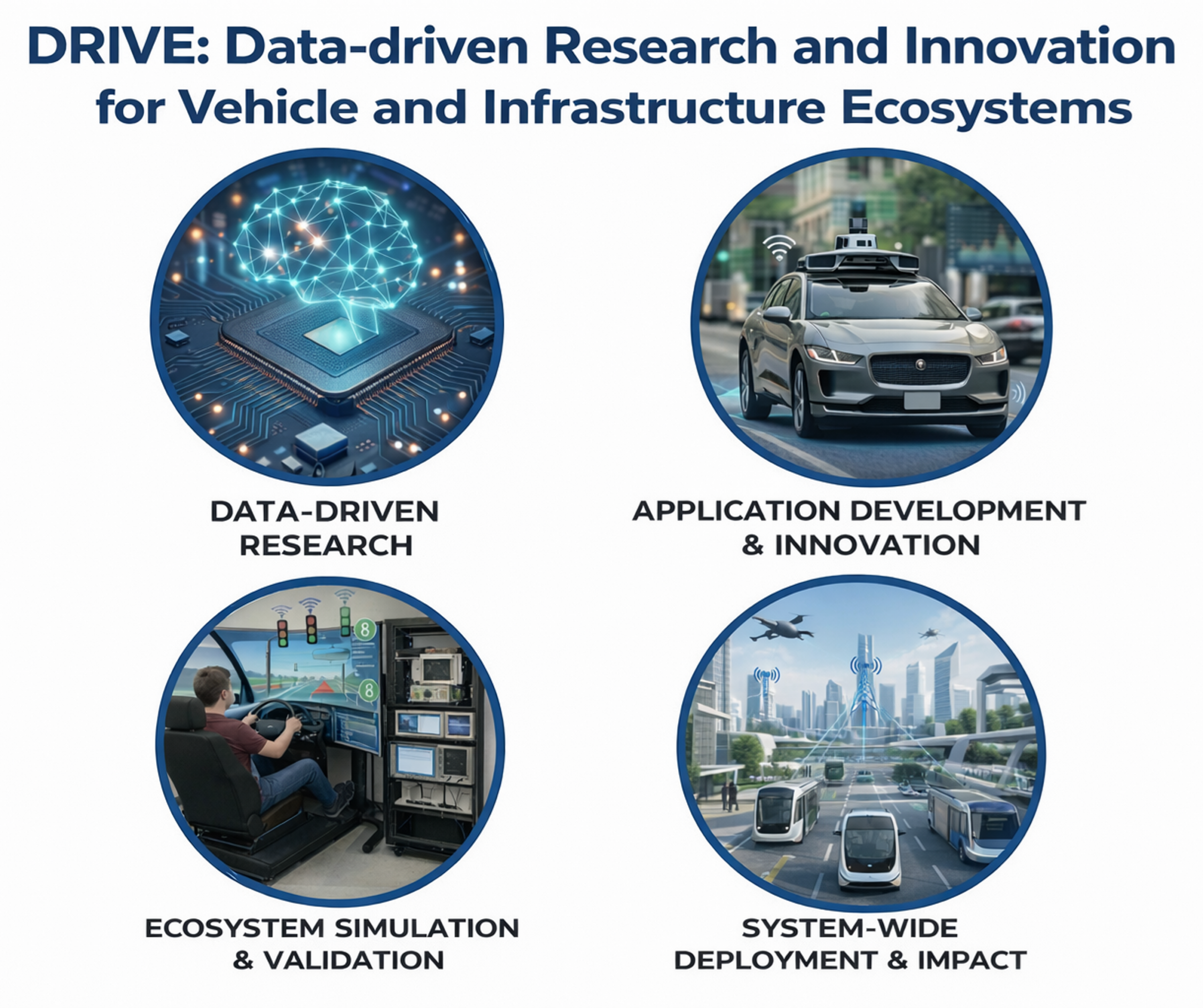
DRIVE: Data-driven Research and Innovation for Vehicle and Infrastructure Ecosystems
This team will establish an interdisciplinary research hub advancing connected and automated mobility systems through student-driven, experiential research. Students engage across the system-of-systems lifecycle, from real-world data collection and AI-enabled analytics, to application development in control, planning, and decision-making, and to multi-resolution simulation and real-world testing. Individual projects address technical, social, or policy dimensions, while […]
August 14, 2026
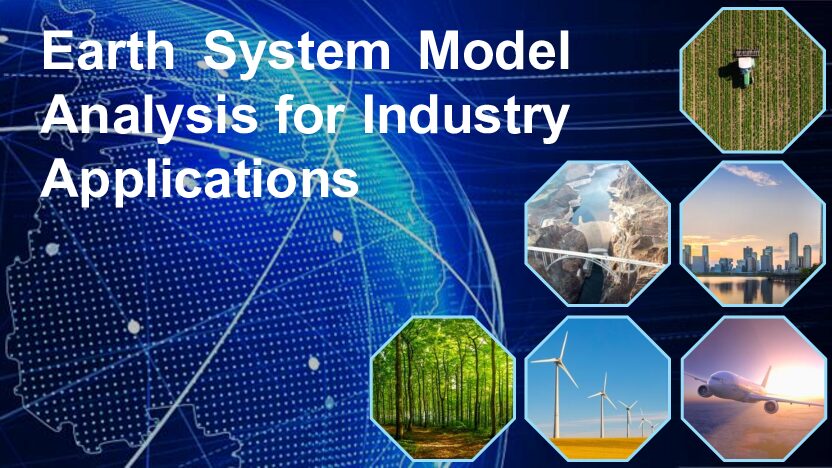
Earth System Model Analysis for Industry Applications
Weather and climate events can have major impacts on society, via both extremes and persistent conditions. These events can impact society directly, such as damaging infrastructure and transportation systems, disrupting agricultural and industrial operations, and loss of lives, as well as indirectly by disturbing natural ecosystems. This project team will develop reliable climate data analysis […]
August 14, 2026
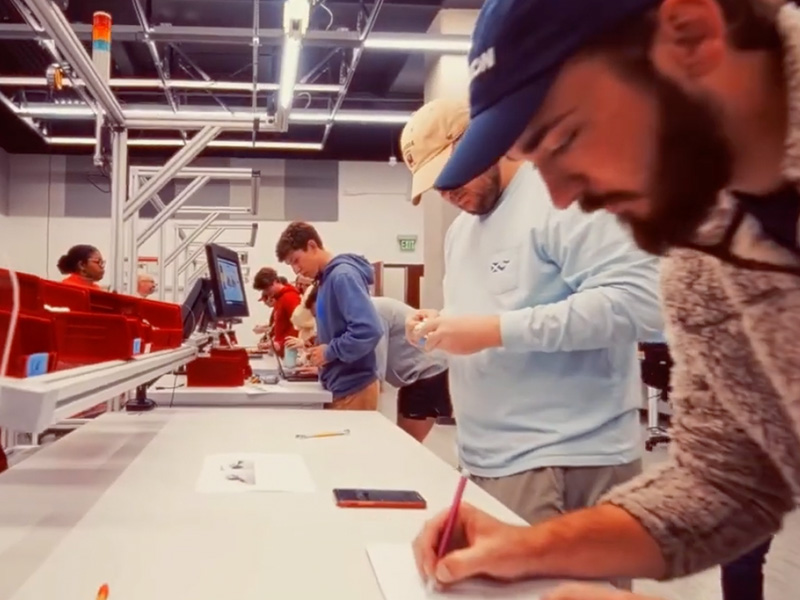
This VIPR team will provide students with hands-on opportunities to explore how emerging technologies—sensors, automation, and AI—can address real-world challenges in traditional manufacturing. Students will define case studies, assess technical and operational needs, and develop innovative solutions. Each project culminates in functional demonstrations that translate engineering theory into practical applications for advanced manufacturing. This team […]

August 14, 2026
Hydropolis: Urban Infrastructure and Hydrology Research
Hydropolis creates sustainable, resilient, and biodiverse communities by analyzing ecosystems and designing interventions like green spaces, waterway rehabilitations, and infrastructural innovations across urban and rural contexts. Our hybrid approach combines engineering, design, and communication science to reimagine infrastructure and how it is understood. We investigate an array of exciting topics that include water quality management […]

March 5, 2026
Corpora and AI Tools For Low-Resource Languages
Our team’s goal is to expand resources for linguistic corpora, especially for low-resource languages and varieties. This includes the collection of spoken or textual linguistic data from under-represented varieties, the use of AI to facilitate data transcription and annotation, the creation of accessible resources and tools for using these corpora, and the linguistic analysis of […]
March 4, 2026
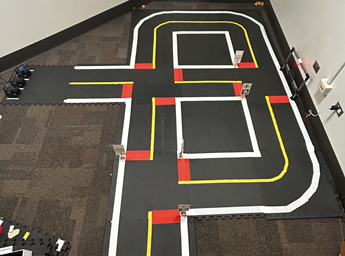
Miniature Smart City for Autonomous and Intelligent Vehicles
We will build and expand on a modular miniature smart‑city testbed with multiple autonomous vehicles and instrumented infrastructure. Achieve robust single‑car autonomy (perception, localization, control) then scale to coordinated multi‑vehicle traffic (junction rules, L3 autonomy, collision avoidance). Add energy‑aware routing with autonomous charging and task allocation. Build on the existing hardware-software framework int he lab, […]
February 28, 2026
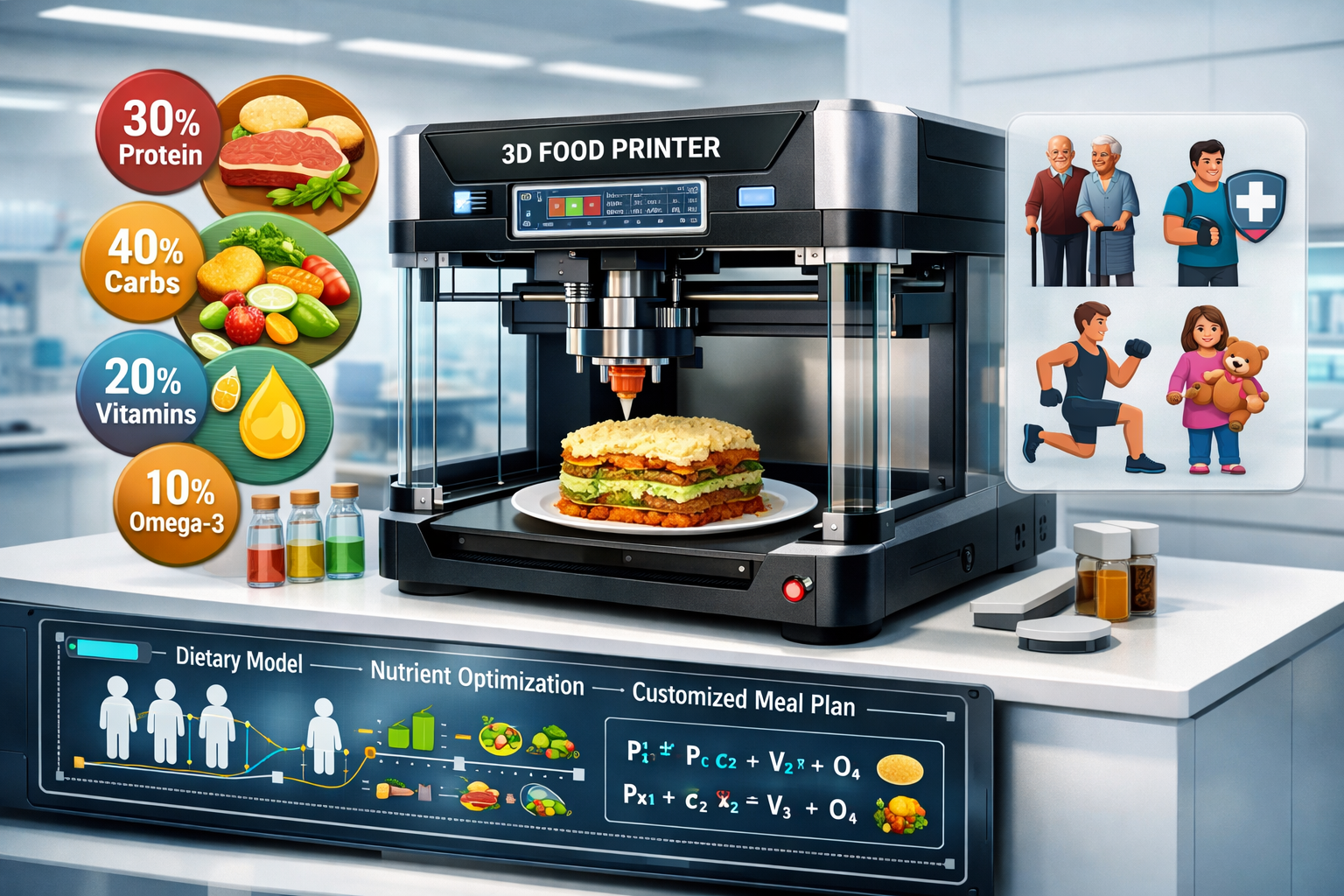
Smart 3D Food Manufacturing Enabled by Nutrient Optimization Algorithms
The goal of this project is to develop a 3D food printing system capable of producing customized food products tailored to the specific dietary needs of different population groups. By integrating nutritional science with precise formulation and printing technologies, the project aims to deliver personalized foods with controlled nutrient composition, and portion size to support […]
February 23, 2026
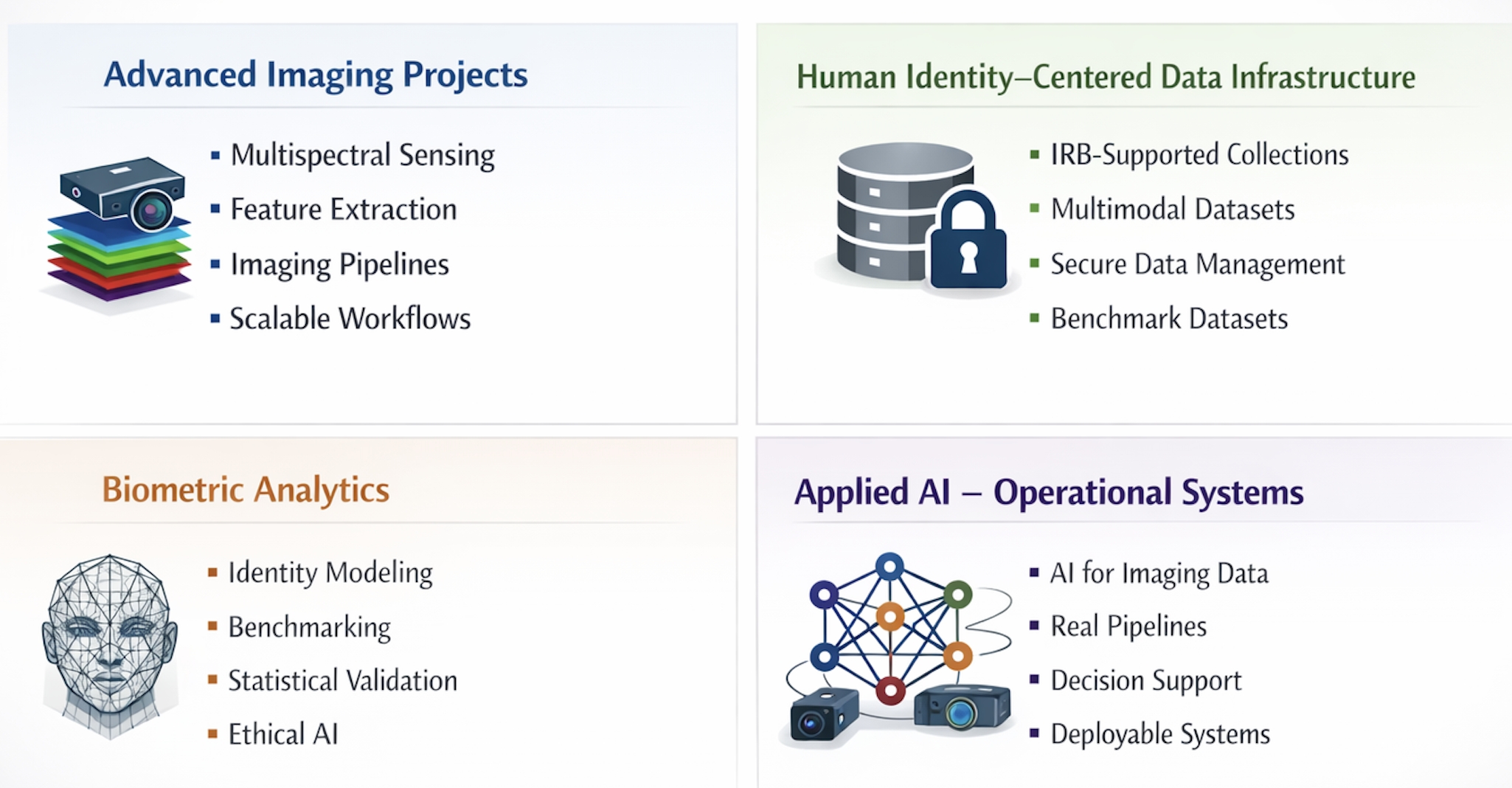
Resilient Biometrics and Cybersecurity Systems
The Resilient Biometrics and Cybersecurity Systems (RBCS) VIPR Team will design and develop robust, explainable, and human-centered AI systems for identity management, digital forensics, physical access control, and multispectral target recognition in constrained and unconstrained environments. Students will be trained to conduct interdisciplinary research integrating biometrics, cybersecurity, and advanced imaging to develop resilient identity technologies […]