



Our team’s goal is to expand resources for linguistic corpora, especially for low-resource languages and varieties. This includes the collection of spoken or textual linguistic data from under-represented varieties, the use of AI to facilitate data transcription and annotation, the creation of accessible resources and tools for using these corpora, and the linguistic analysis of […]
March 4, 2026
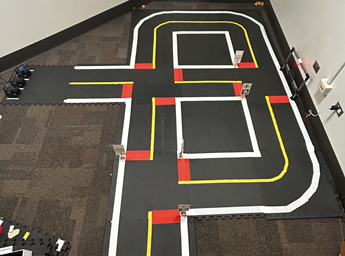
Miniature Smart City for Autonomous and Intelligent Vehicles
We will build and expand on a modular miniature smart‑city testbed with multiple autonomous vehicles and instrumented infrastructure. Achieve robust single‑car autonomy (perception, localization, control) then scale to coordinated multi‑vehicle traffic (junction rules, L3 autonomy, collision avoidance). Add energy‑aware routing with autonomous charging and task allocation. Build on the existing hardware-software framework int he lab, […]

February 28, 2026
Hydropolis: Urban Infrastructure and Hydrology Research
Hydropolis creates sustainable, resilient, and biodiverse communities by analyzing ecosystems and designing interventions like green spaces, waterway rehabilitations, and infrastructural innovations across urban and rural contexts. Our hybrid approach combines engineering, design, and communication science to reimagine infrastructure and how it is understood. We investigate an array of exciting topics that include water quality management […]
February 28, 2026
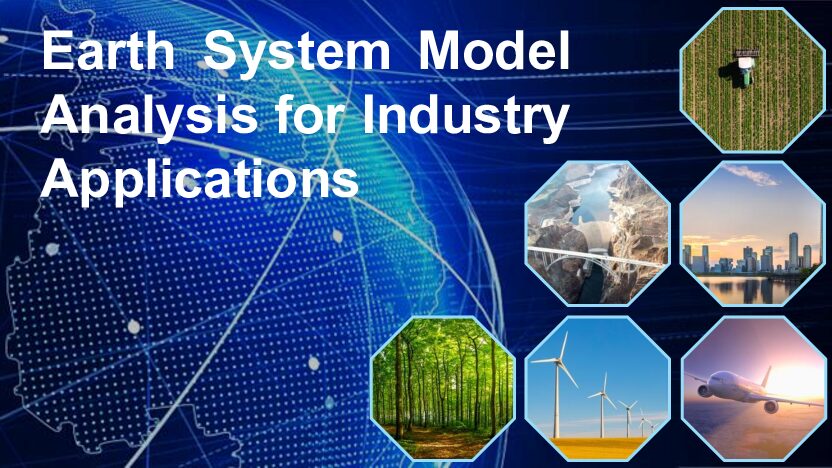
Earth System Model Analysis for Industry Applications
Weather and climate events can have major impacts on society, via both extremes and persistent conditions. These events can impact society directly, such as damaging infrastructure and transportation systems, disrupting agricultural and industrial operations, and loss of lives, as well as indirectly by disturbing natural ecosystems. This project team will develop reliable climate data analysis […]
February 28, 2026
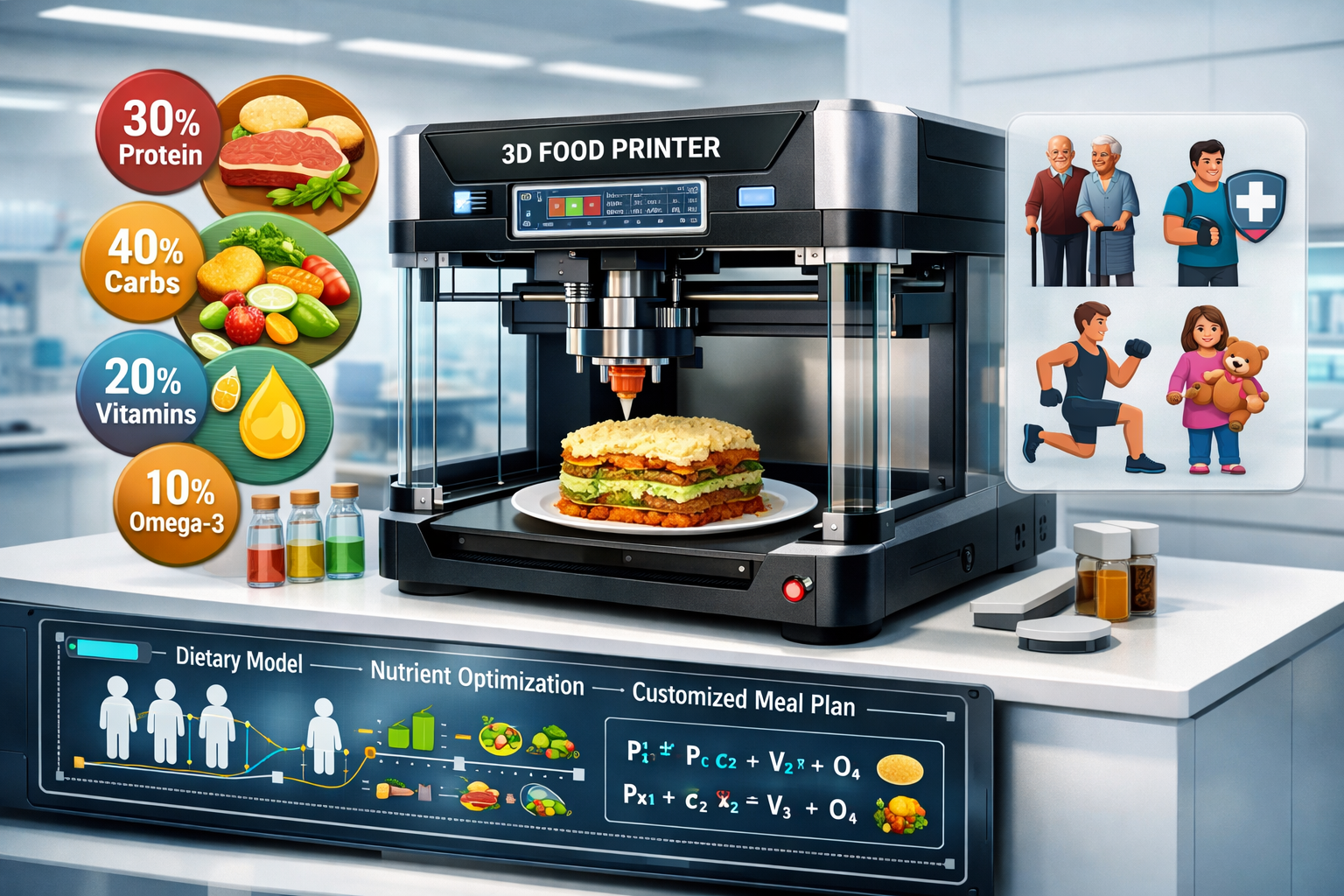
Smart 3D Food Manufacturing Enabled by Nutrient Optimization Algorithms
The goal of this project is to develop a 3D food printing system capable of producing customized food products tailored to the specific dietary needs of different population groups. By integrating nutritional science with precise formulation and printing technologies, the project aims to deliver personalized foods with controlled nutrient composition, and portion size to support […]
December 2, 2024
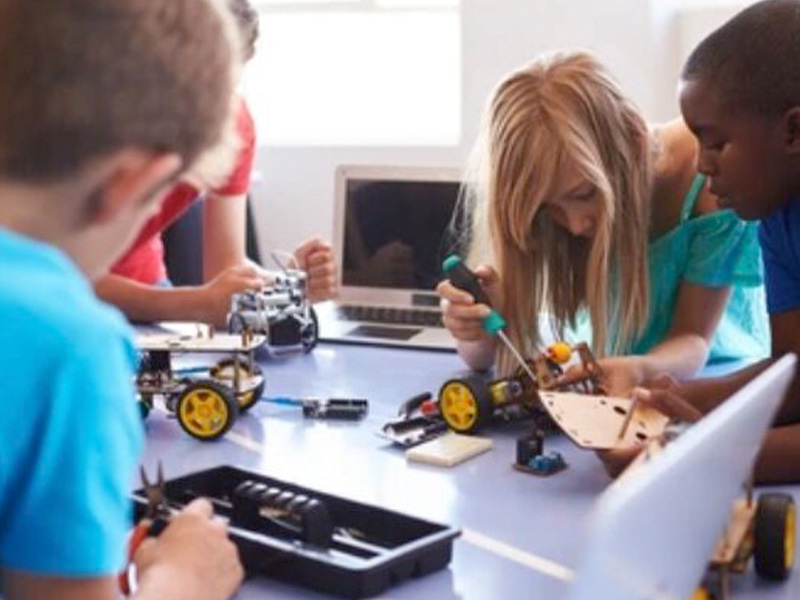
The AI4STEM Education VIPR team will empower students to explore, develop, and evaluate AI-powered tools and methods that enhance STEM teaching and learning. Through interdisciplinary collaboration, undergraduate and graduate students will contribute to cutting-edge educational research, develop practical AI-based learning tools, and engage in responsible innovation to promote equity, personalization, and scientific thinking in STEM […]