


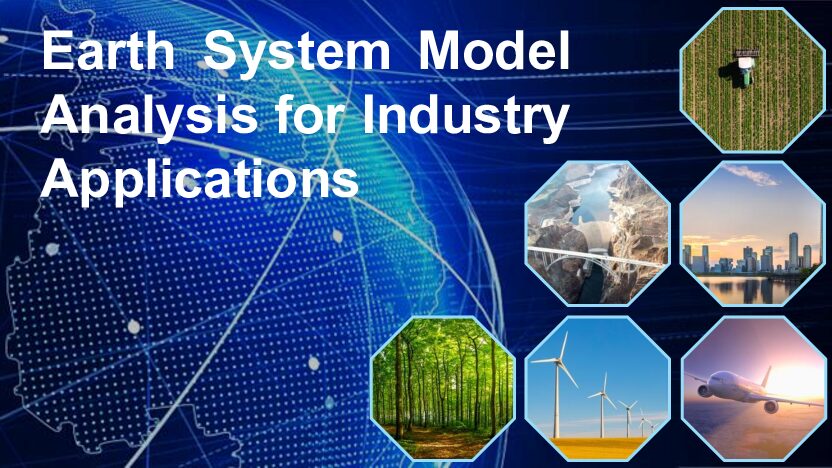
Weather and climate events can have major impacts on society, via both extremes and persistent conditions. These events can impact society directly, such as damaging infrastructure and transportation systems, disrupting agricultural and industrial operations, and loss of lives, as well as indirectly by disturbing natural ecosystems. This project team will develop reliable climate data analysis […]
February 28, 2026
Design of a Grading-Sorting System for Agriculture Post-Harvest Handling
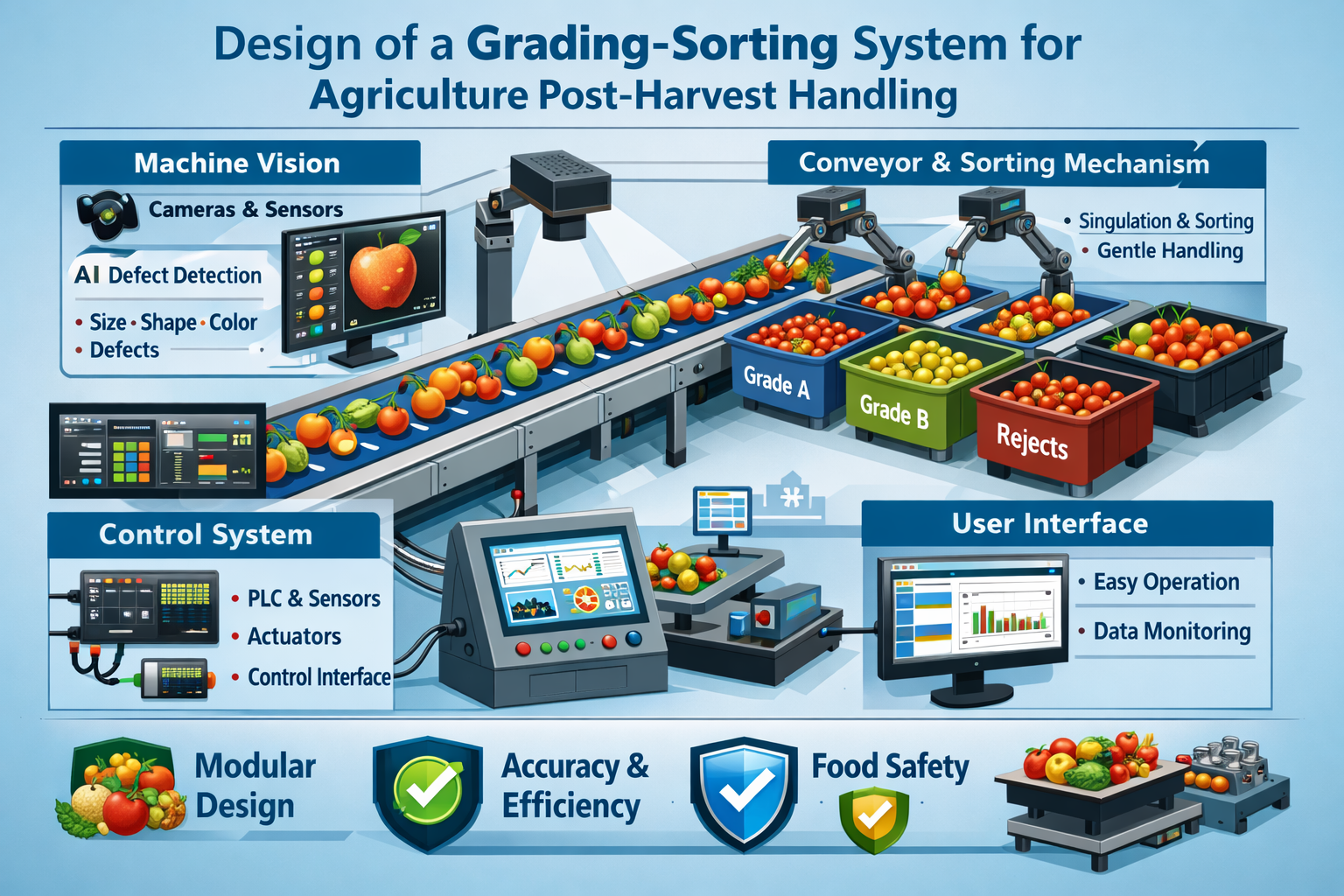
Design and prototype an automated grading and sorting system for post-harvest agricultural products that improves efficiency, accuracy, and product quality. The system will integrate machine vision, sensing, and mechanical handling to classify produce by size, shape, color, and defects. Emphasis will be placed on gentle handling to minimize damage, modular design for different crops, and […]
February 26, 2026
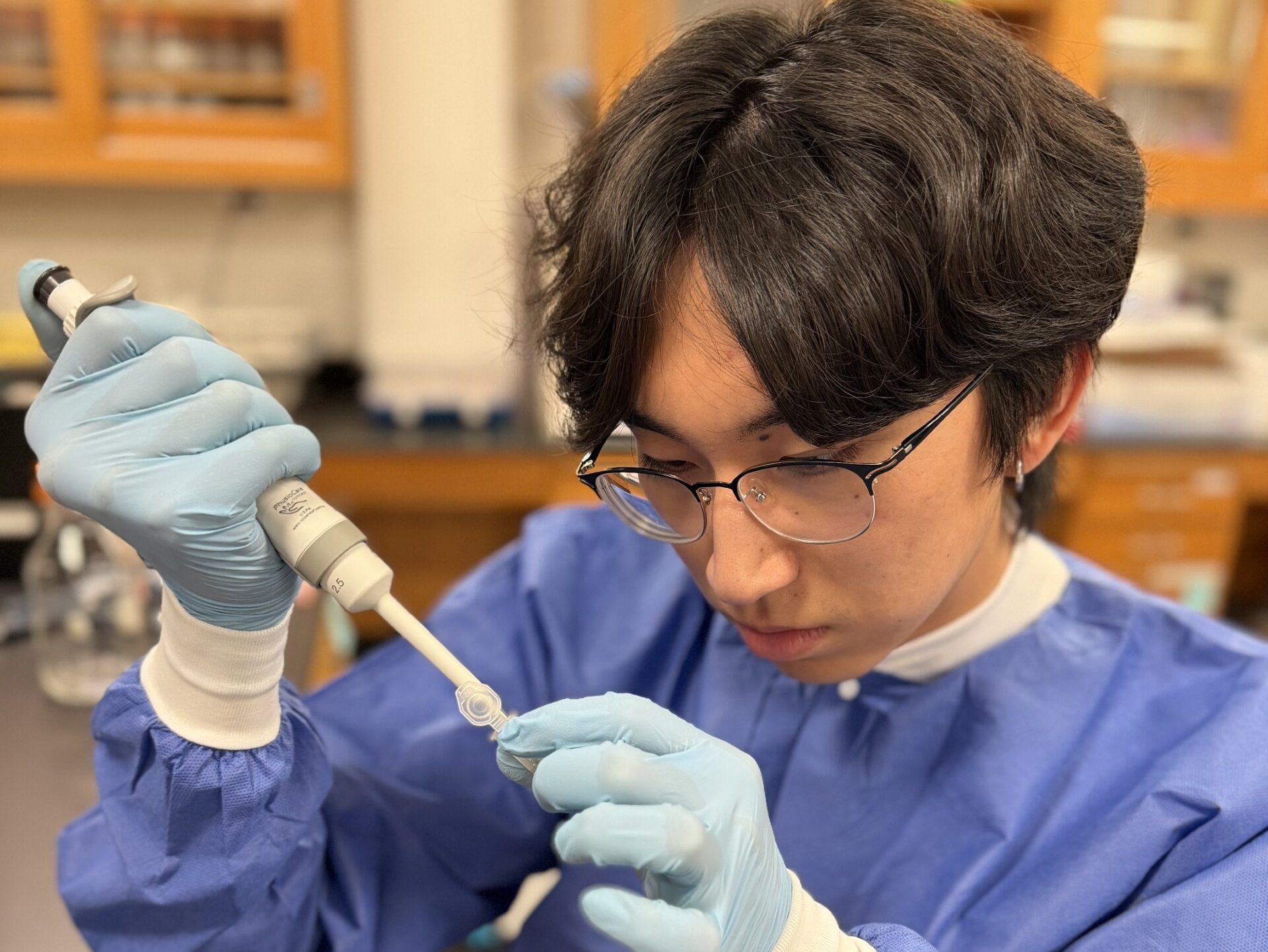
Our team engineers next-generation viral vectors by repurposing high-impact plant pathogens—such as Citrus Tristeza Virus (CTV), which shares replication strategies with SARS-CoV-2—into modular tools for crop protection. The students will focus on ‘Genome Refactoring’ to streamline complex architectures into stable ‘cargo-ready’ expression platforms. By leveraging their natural movement, we enable ‘Targeted Delivery’ of therapeutic molecules, […]

February 26, 2026
This team aims to develop a decision-support framework that integrates weather and seasonal-to-subseasonal (S2S) forecasts with crop yield and nutrient loss models to improve agricultural management in Georgia, and hopefully beyond. The team will explore how forecasts can be used to optimize fertilizer management prone to losses from rainfall events and where the forecast information […]
December 2, 2024
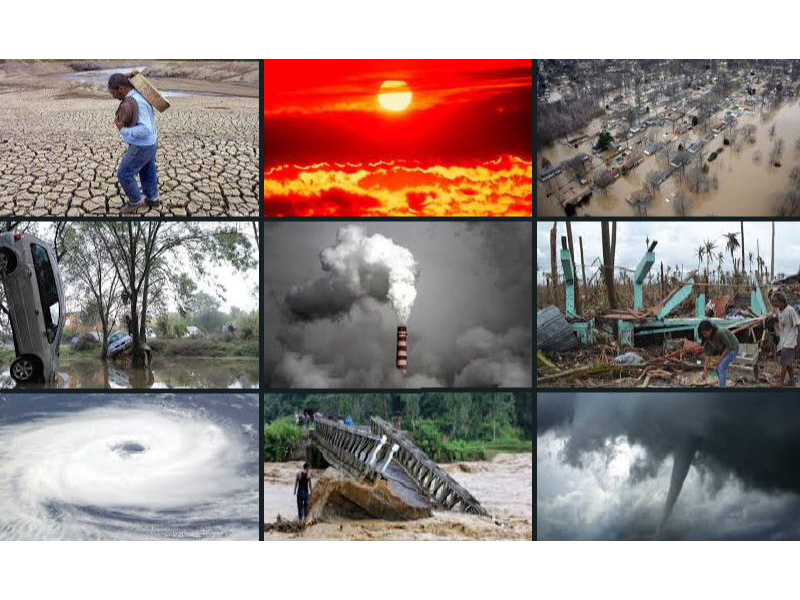
This VIPR team is an interdisciplinary group that examines the risks posed by severe and extreme weather to communities and vital systems. These risks include, but are not limited to, high winds, extreme heat, flooding, drought, and wildfires. The team investigates the interconnected effects of these events – particularly compound and cascading hazardous weather – […]
December 2, 2024
VIPR: Omics and Machine Learning in Precision Agriculture
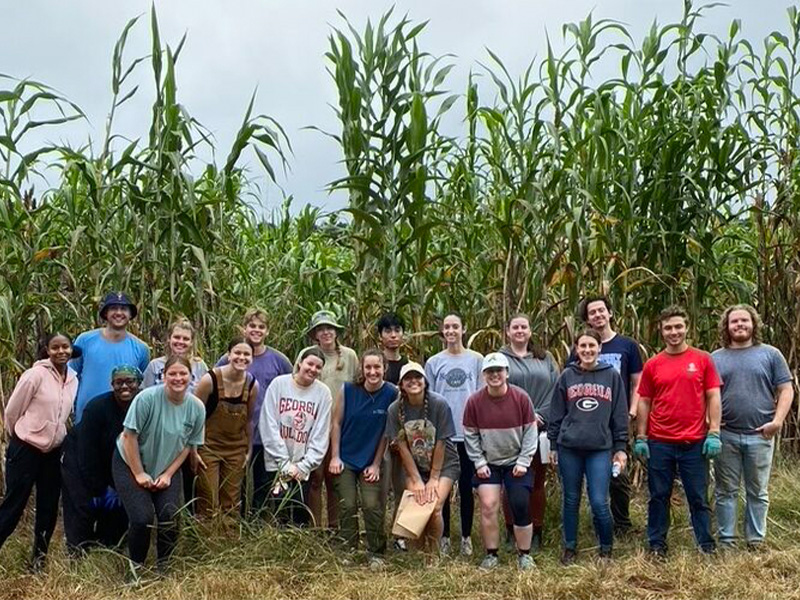
This VIPR team will introduce 10 undergraduates to an ancient symbiosis between Arbuscular Mycorrhizal Fungi (AMF) and most vascular land plants in the world. The AMF live in root cells to provide Nitrogen and Phosphorous to the plant in return for plant carbon. Students will use a Genome Wide Association Study (GWAS) to capture AMF […]
December 2, 2024
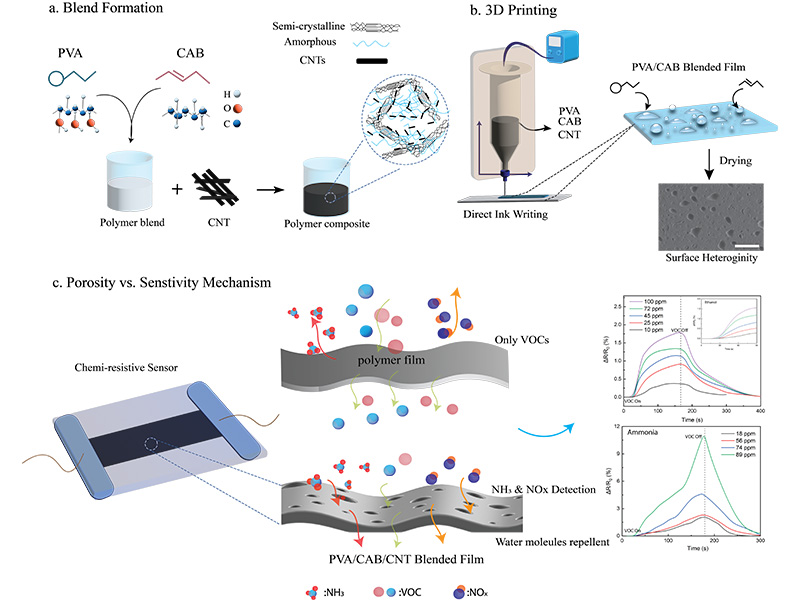
Agriculture productivity and livestock health are significantly influenced by factors such as ammonia levels, methane emissions, temperature, humidity, and soil moisture. Traditional sensing solutions often lack precision, durability, or affordability for widespread deployment, particularly in rural and underserved areas. This VIPR team will address these challenges by developing smart, affordable, and customizable sensors. The sensors […]
December 2, 2024
Engineering Resilient Plants VIPR Team
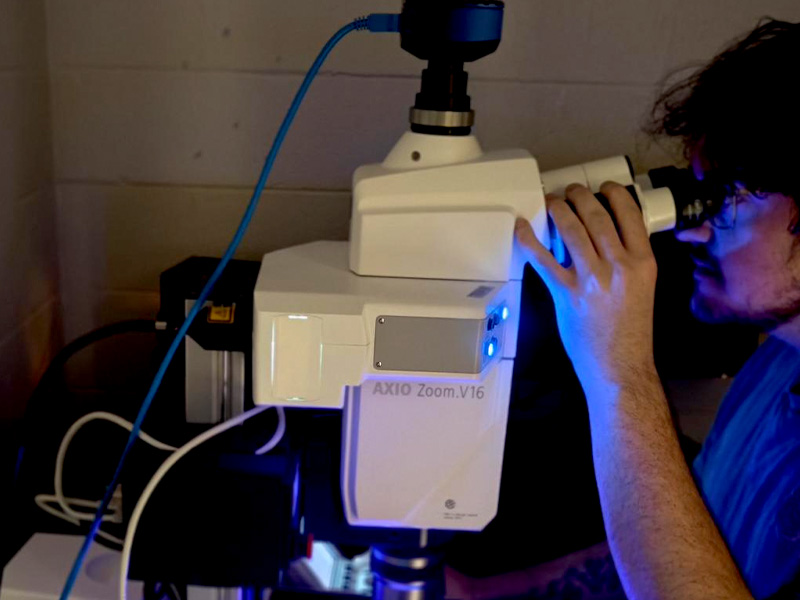
This team will offer students an experiential learning opportunity in plant genome editing to create resilient plants. Through active participation in research, students will engage in the full pipeline—from experimental design to data collection, and statistical analysis. The team will employ hands-on lab projects with cutting-edge theory, helping students build critical skills in plant biology, […]
December 2, 2024
Agricultural Robotics VIPR Team
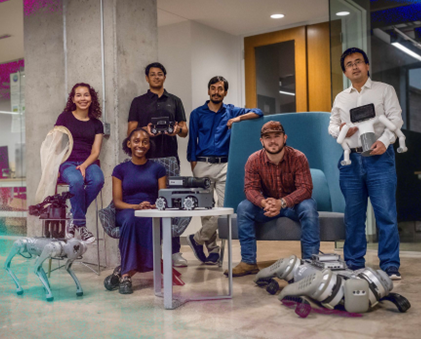
The primary goal of this VIPR team is to empower students by equipping them with practical skills and cutting-edge theoretical knowledge in the field of agricultural robotics. Through hands-on research, students will delve into concepts, algorithms, and technologies, which they will then apply to real-world agricultural problems. The concepts and technologies initiated by the students […]